Elizabeth is one of the oldest cities in New Jersey — founded in 1664, the state’s first English-speaking settlement and its first capital — and today its largest county seat, home to roughly 137,000 people across some of the densest and most historically layered neighborhoods in the state. That history is Elizabeth’s character. It’s also, when it comes to water, Elizabeth’s risk profile: century-old housing stock, original plumbing, a river running straight through the residential core, combined sewers, and a coastline on Newark Bay and the Arthur Kill.
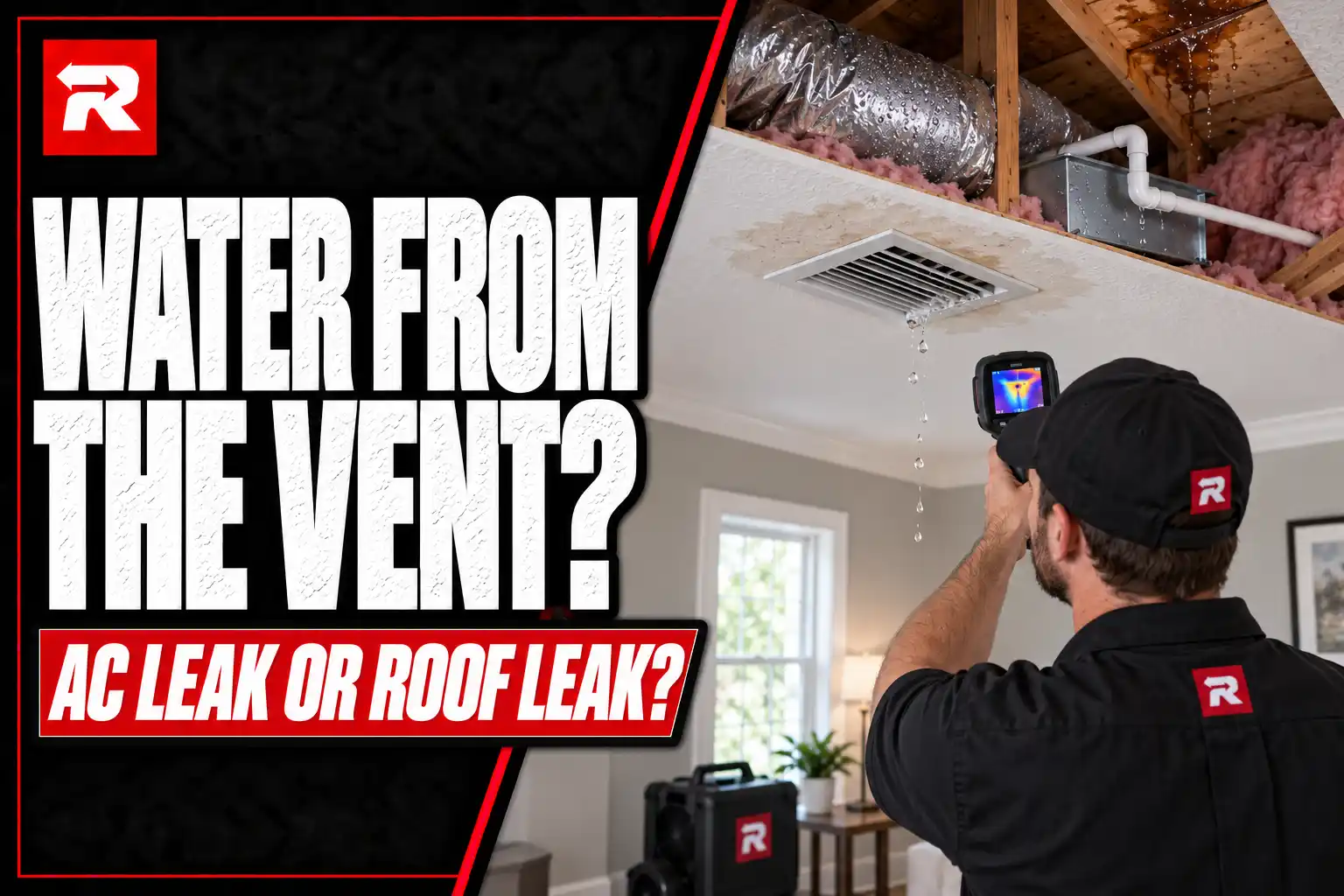
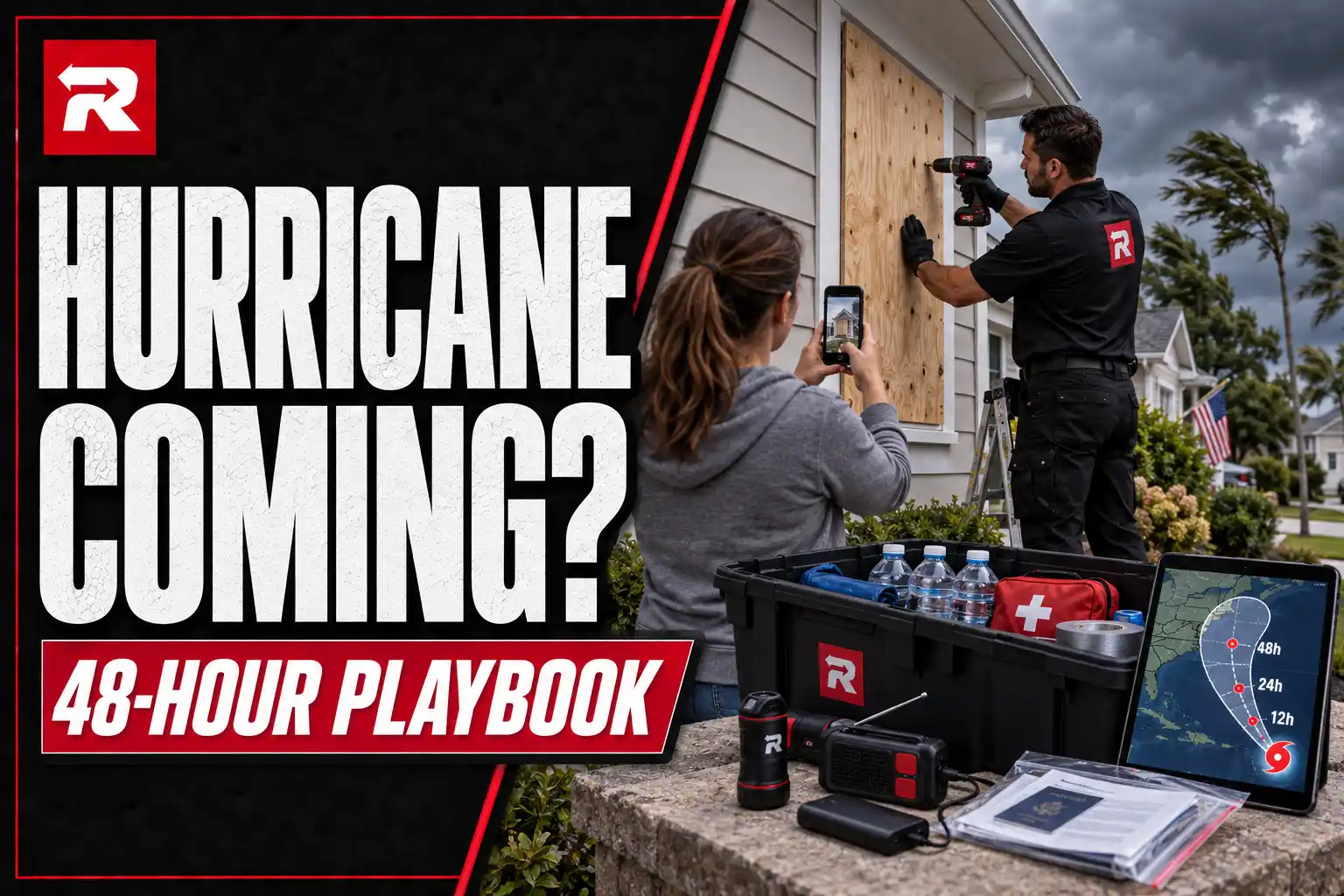
This guide is written for Elizabeth homeowners, landlords, and business owners specifically — how water damage actually happens here, which neighborhoods face which risks, and what to do when it happens to your property. It’s part of our local series covering the cities we serve most, and it pairs with everything we’ve published this hurricane season, from the 48-hour storm playbook to the flood lessons of Ida.
Elizabeth’s Water Risk, Neighborhood by Neighborhood
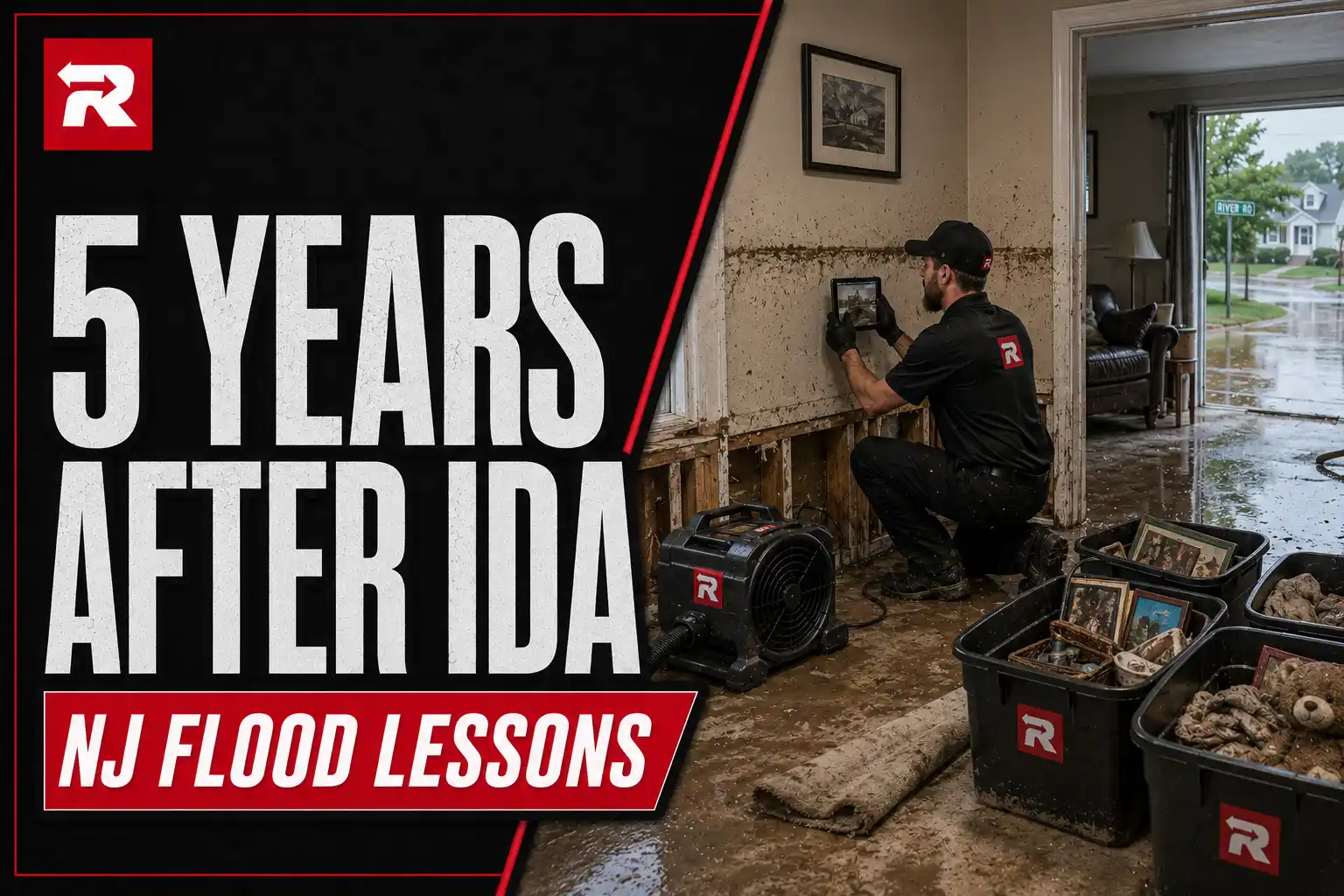
The Elizabeth River corridor. The city’s defining water feature runs directly through its heart, and its flooding history is not theoretical. When the remnants of Hurricane Ida stalled over New Jersey on September 1, 2021, the Elizabeth River overtopped its banks and flooded neighborhoods across the city within hours — some of the most severe residential flood losses in the state, in blocks that had never considered themselves flood-prone. Five years later, that event still shapes how carriers underwrite Elizabeth properties and how seriously the river corridor’s homeowners should take flood coverage. Properties in Midtown, along the river’s path toward Peterstown and the West End, carry flash-flood exposure that FEMA’s older maps understate — the lesson we covered at length in our five-years-after-Ida guide.
Elizabethport and the Bayway. The Port is Elizabeth’s waterfront — historic, dense, and exposed to Newark Bay and the Arthur Kill. Sandy pushed surge into these blocks in 2012, and coastal storm events remain the primary risk here, alongside the drainage challenges that come with low elevation. Homeowners in the Port should know both halves of the wind-versus-water insurance distinction from our hurricane claims guide, because a major coastal storm here produces both.
Elmora, Westminster, and North Elizabeth. The classic residential neighborhoods — leafier, higher, less river-exposed — where water damage arrives the ordinary ways: aging supply lines, winter pipe bursts, water heaters, roof leaks, and sump failures during heavy rain. The housing stock is the story here: much of it pre-war, with original galvanized or cast-iron plumbing that has been in service for generations. These systems don’t fail on a schedule; they fail on a cold night in January or quietly inside a wall for months.
The dense multi-family core. Across Midtown, Peterstown, and the Port, Elizabeth’s rowhomes and multi-family buildings share walls, floor assemblies, and often drain lines — which means water rarely stays where it starts. A failed supply line on a third floor travels through cavities into the units below; a roof issue becomes four ceilings. Multi-unit losses need coordinated response — one moisture map of the water’s whole path, one project manager across affected units — or they dissolve into separate contractors and competing insurance scopes, the failure mode we described in our commercial restoration guide.
The Combined Sewer Factor
Elizabeth, like most of New Jersey’s older cities, runs combined sewers in much of the city — stormwater and sanitary flow sharing pipes. In ordinary rain, no issue. In the intense rainfall events that have become the region’s pattern, the system surcharges, and the overflow pushes backward into the lowest drains of connected homes. This is why sewage backup calls in Elizabeth cluster around every major storm, and why they hit basements in homes with no flood history.
Two things every Elizabeth homeowner should know about this risk: first, sewage is Category 3 contaminated water — never a DIY cleanup, for the health, legal, and practical reasons in our sewage backup guide. Second, sewer backup is typically not covered by standard homeowners insurance — it requires a separate water backup endorsement that costs little and that most Elizabeth homeowners discover they lack at the worst moment. One call to your agent closes that gap; a backwater valve on the lateral closes the physical one.
What Water Damage Response Looks Like in Elizabeth
When our crews respond to an Elizabeth loss, the protocols reflect the city’s specifics:
Speed, first. From our Englewood Cliffs headquarters, typical response to Elizabeth runs under two hours via the Turnpike (Exits 13/13A) and Routes 1&9 — and in water damage, the clock is the cost. Extraction within hours versus days is the difference between drying a structure and demolishing parts of it.
Contamination assessment before extraction. River flooding, surge, and sewer backflow are all Category 3 events requiring containment, protective protocols, and licensed disposal — a completely different job from a clean supply-line burst, and one that determines what can be saved. Our flood damage cleanup protocols, including NFIP-compatible documentation for river-corridor claims, apply from the first hour.
Old-housing-stock literacy. Pre-war construction hides water differently: plaster and lath instead of drywall, balloon framing that lets water travel full stories inside walls, hardwood worth saving with controlled drying rather than reflexive demolition. Crews that only know modern construction over-demolish old houses. Elizabeth’s housing deserves better — moisture mapping with infrared, drying-in-place where materials allow, and mold prevention treatment in the cavities where these homes actually hold their moisture.
Basement protocols by default. Most Elizabeth losses land below grade — river flash flooding, sewer surcharge, sump failure — so flooded basement procedures are the local default: safe power isolation, contaminated-water extraction, and the salvage discipline of what stays versus what goes.
Insurance coordination for Elizabeth’s claim mix. Between the hurricane deductibles, the flood/NFIP distinction on river-corridor losses, the water-backup endorsement question, and multi-family building-versus-unit policy splits, Elizabeth claims are rarely simple. We document every loss in Xactimate, coordinate directly with adjusters, and bill carriers directly — including on the full rebuild, under the same project manager, so the scope never fractures between companies.
For Elizabeth’s Businesses and Landlords
Elizabeth’s commercial base — the Broad Street and Elizabeth Avenue corridors, the businesses around Jersey Gardens and the port, the professional offices of Midtown — faces the same water risks with a different clock: every closed hour is revenue. Our commercial protocols (phased containment, after-hours work, sequencing by operational value) and priority dispatch agreements for landlords and property managers apply across the city, and for the multi-family stock in particular, pre-established relationships are the difference between a coordinated two-month recovery and a six-month standoff.
Before the Next Storm: The Elizabeth Homeowner’s Short List
- Price flood coverage if you’re anywhere near the river corridor or the Port — the 30-day NFIP waiting period makes this a this-month decision, not a storm-week one
- Ask your agent about the water backup endorsement — the cheap add-on that covers the combined-sewer risk
- Consider a backwater valve — the physical fix for municipal backflow
- Test the sump pump, add battery backup — outages and heavy rain arrive together
- Elevate what matters out of the basement — Ida’s most repeated lesson
- If your home is pre-war and the sewer lateral has never been camera-inspected, book it — roots in century-old clay lines are Elizabeth’s quietest water risk
- Save the number — after a regional storm, help goes out in call order
The Bottom Line
Elizabeth’s water risks are the sum of its history: a river through the middle, a working waterfront, combined sewers, and housing stock older than the state’s plumbing codes. None of that is a reason to worry daily — it’s a reason to do the short list above once, and to know who to call when water finds its way in anyway.
Restorian provides 24/7 water damage restoration throughout Elizabeth and Union County — emergency extraction, flood and sewage cleanup, structural drying, mold prevention, and full reconstruction under one project manager, with direct insurance billing and response typically under two hours. See our Elizabeth service area page for coverage details, or call (888) 788-5038 any hour, any day.