
24/7 emergency sewage cleanup across New Jersey, New York, and Connecticut. IICRC certified crews, full PPE protocols, EPA-registered antimicrobial treatment, and direct insurance billing.
A sewage backup is one of the most hazardous water events that can affect a property. Unlike clean water from a burst pipe, sewage carries bacteria, viruses, parasites, and chemical contamination that pose serious health risks and require specialized cleanup protocols. Restorian provides 24/7 emergency sewage cleanup services across the entire tri-state area, with IICRC certified crews trained in Category 3 black water remediation and equipped with the protective equipment, sanitization protocols, and disposal procedures that sewage events require.
Sewage is classified as Category 3 water under industry standards. This is the most hazardous water category and requires fundamentally different cleanup protocols than clean or gray water events.
Sewage contains bacteria including E. coli, salmonella, shigella, and clostridium, along with viruses such as hepatitis A and norovirus, parasites like giardia and cryptosporidium, and chemical contaminants from household and industrial waste. Direct contact, splashing onto skin, or even airborne exposure during cleanup can cause serious illness. Materials that absorb sewage typically cannot be saved and must be removed and disposed of as biohazard waste rather than ordinary debris.
Cleanup also requires extensive sanitization. Surfaces that contacted sewage must be cleaned multiple times with EPA-registered disinfectants, and the surrounding air must be treated to prevent ongoing contamination. Standard cleaning products and consumer-grade disinfectants are not sufficient for Category 3 events. The protocols Restorian uses are the same as those required for biohazard cleanup events, because sewage cleanup is fundamentally a biohazard remediation scenario.
Sewage events occur for several different reasons, and identifying the cause helps determine both the cleanup approach and the insurance coverage that applies. The most common causes include:
Each cause produces a different cleanup scope and insurance pathway. Sewer backup coverage is typically a separate add-on to standard homeowner policies, which is one of the reasons we document the cause carefully on every job.
When Restorian arrives at a sewage cleanup job, the work proceeds through a strict protocol designed to protect occupant health and prevent ongoing contamination.
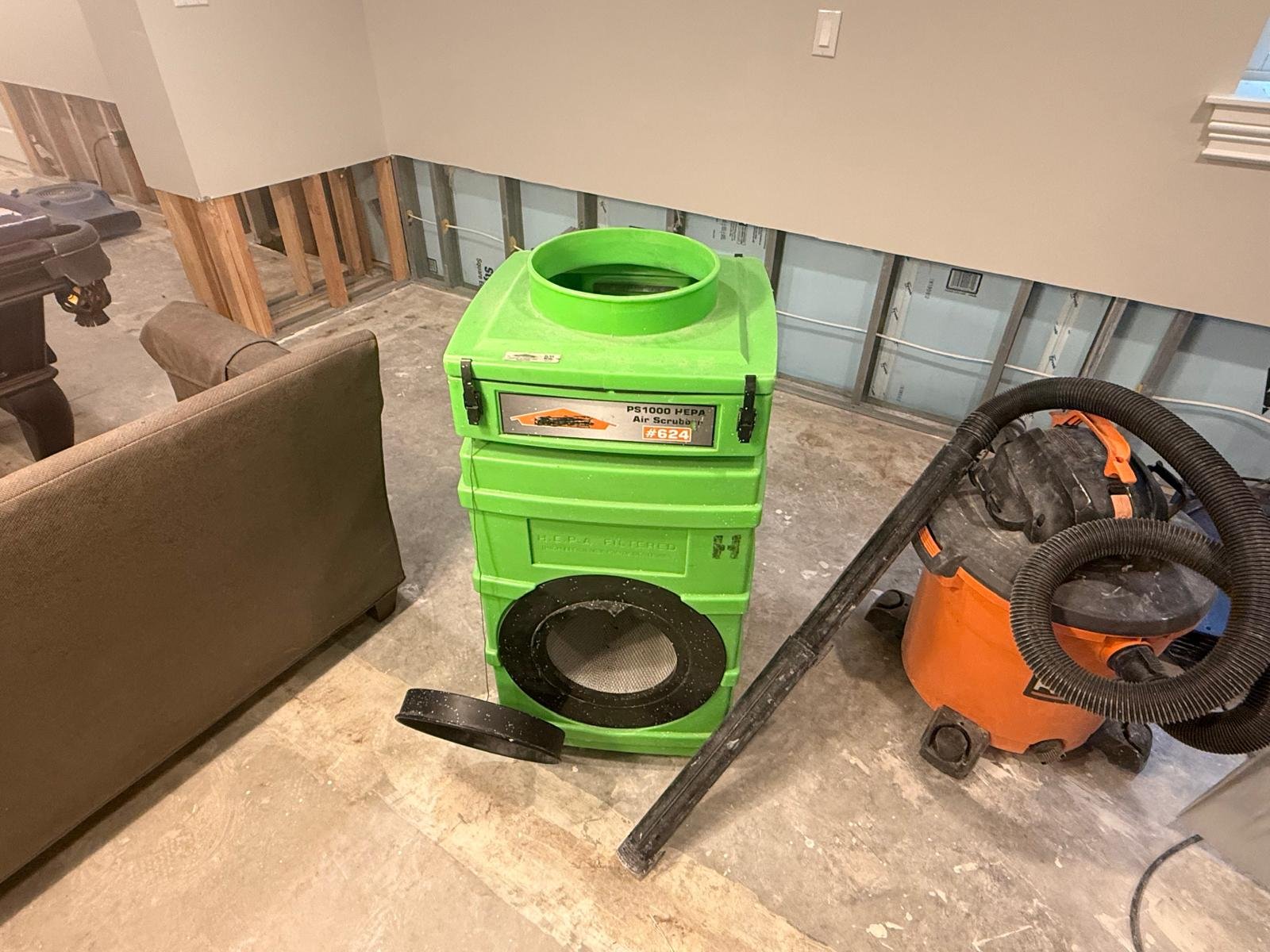
Step one: containment and PPE. Our crews suit up in full PPE including Tyvek coveralls, respirators, gloves, and boot covers before entering the affected area. Containment plastic and zip walls are installed to prevent contamination from spreading to unaffected areas of the property. Air scrubbers with HEPA filtration are deployed to capture airborne contaminants during the cleanup process.
Step two: source control and water removal. We identify and stop the source of the sewage release where possible, then begin water extraction with industrial pumps and extraction units. All extracted material is treated as Category 3 contaminated water and disposed of according to industry protocols.
Step three: contaminated material removal. Materials that absorbed sewage typically cannot be salvaged and must be removed. This includes carpet and carpet padding, drywall up to several feet above the contamination line, insulation, baseboards, particleboard, and any contents that cannot be effectively decontaminated. All removed materials are double-bagged and disposed of as biohazard waste.
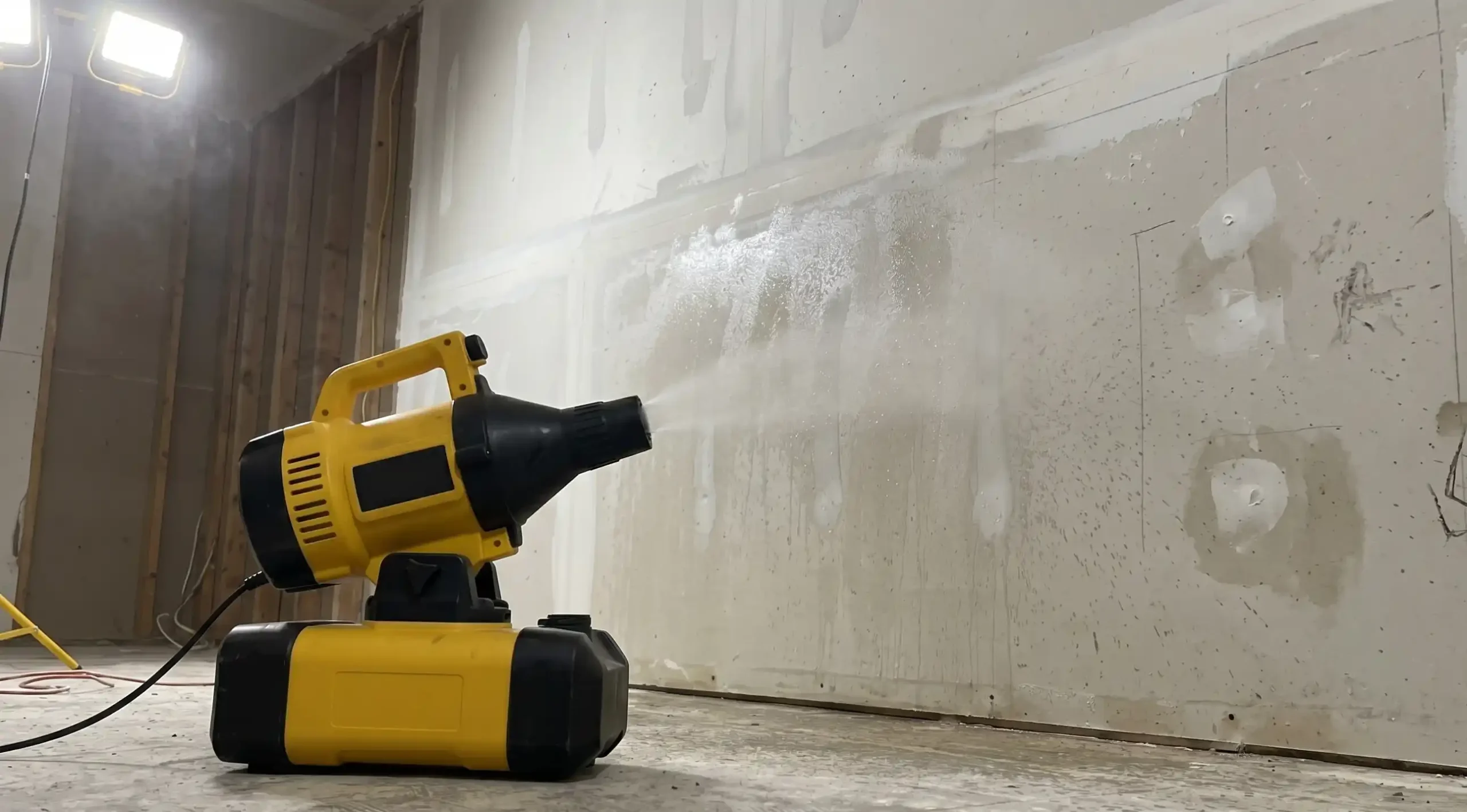
Step four: cleaning and sanitization. Every surface in the affected area is cleaned multiple times with EPA-registered disinfectants rated for Category 3 contamination. We then apply antimicrobial treatment using ULV (Ultra Low Volume) cold foggers to reach surfaces that direct application cannot, including wall cavities, structural framing, and any porous materials that remained in place.
Step five: structural drying and clearance. Once contaminated materials have been removed and surfaces sanitized, the structure is dried using industrial dehumidifiers and air movers. We take moisture readings daily and confirm clearance with bacterial swab testing when appropriate. Reconstruction begins after clearance has been verified.
Untreated or improperly cleaned sewage events create ongoing health risks long after the initial water has been removed. These include:
DIY sewage cleanup almost always misses these secondary risks because the focus is on removing visible contamination rather than addressing the bacterial and microbial loads that absorbed into materials. Professional cleanup uses verification methods including ATP testing and bacterial swabs to confirm surfaces actually meet safe-for-occupancy standards before reconstruction begins.
Sewage cleanup coverage depends on the specific cause and your policy. Standard homeowner insurance typically does not cover sewer backup unless a separate endorsement has been added to the policy. Sewer backup coverage is usually a relatively inexpensive add-on, but many homeowners do not realize they need it until after a backup occurs and the claim is denied.
Coverage that may apply includes:
Restorian prepares Xactimate certified estimates and detailed documentation including water category determination, cause identification, and biohazard cleanup protocols used. We work directly with all major insurance carriers including NJM Insurance Group, State Farm, USAA, Allstate, AIG, Progressive, American Family Insurance, Nationwide, Liberty Mutual, and Farmers Insurance. Documentation quality often determines whether marginal claims are approved, which is why every job receives the same level of detail regardless of size.

We strongly recommend against any DIY sewage cleanup, even for small events. Sewage contains bacteria, viruses, and parasites that can cause serious illness through skin contact, splashing, or airborne exposure. Standard cleaning products and household disinfectants are not effective against Category 3 contamination. Beyond the immediate health risk, improperly cleaned sewage events almost always develop mold and ongoing contamination weeks later. Professional cleanup with EPA-registered disinfectants, full PPE protocols, and verified sanitization is the only safe approach. The cost of professional cleanup is almost always covered by insurance when the proper coverage is in place.
Timelines vary based on the volume of contamination, the area affected, and the materials involved. A small toilet overflow with limited contamination can sometimes be addressed in 2 to 3 days from extraction through sanitization. A basement-wide sewer backup that affected finishes and required full demolition typically runs 1 to 3 weeks. Properties requiring extensive material removal and reconstruction can run longer. We provide a clear timeline estimate after the initial assessment so you know exactly what to expect from extraction through final clearance.
It depends on what contacted the sewage and what material the items are made of. Hard non-porous items like ceramics, glass, sealed plastics, and metals can usually be cleaned and decontaminated for return to use. Porous items including upholstery, mattresses, soft toys, paper documents, fabric clothing, and unsealed wood typically cannot be effectively decontaminated and must be disposed of as biohazard waste. We document every item separately for the insurance claim and provide guidance on what can be saved versus replaced. Important documents and irreplaceable items can sometimes be sent for specialty restoration if they did not contact sewage directly.
Several steps significantly reduce the risk of repeat sewage events. Install a backwater valve on your main sewer line, which prevents municipal sewer backups from entering your home during heavy rain. Have your private sewer line inspected and cleaned periodically, especially if your property has mature trees with roots that can intrude on the line. Replace older clay or cast iron sewer lines with modern PVC if your inspection reveals damage. Install a sump pump with battery backup if your property has any below-grade plumbing fixtures. We can refer you to trusted contractors for any of these preventive upgrades.
Yes. Commercial sewage events including restaurants, multi-family housing, medical facilities, schools, and commercial buildings are part of our core service. Commercial sewage cleanup typically requires faster response, more extensive containment, and coordination around tenant operations or business hours. Restaurants in particular face complete shutdown until cleanup is verified, which makes timeline a critical factor. Every commercial project gets a dedicated project manager who coordinates crews, manages tenant or staff communications, schedules around operations, and handles the full insurance documentation process.
Fill out the form and our team will reach out immediately.
We act fast so your property—and peace of mind—can be restored without delay. With state-of-the-art drying equipment and expert technicians, Restorian is your trusted partner in water damage recovery.

With years of hands-on restoration experience, we’ve handled everything from flooded basements to full-scale commercial water disasters.
Thousands of restoration projects completed across New Jersey.
IICRC-certified technicians with proven results.
Moisture detection tools ensure no damage is left behind.
Water emergencies don’t wait—we’re always on call.