Water damage is the most common claim type in residential property insurance, and the cause matters more than most homeowners realize. Two water events that look identical on the surface, both leaving a wet floor and a stained ceiling, can require completely different cleanup approaches, take different timelines to resolve, and fall under different parts of your insurance coverage. The cause of the water tells our crews how to respond, what equipment to bring, what materials need to be removed, and what documentation matters most for the insurance claim. Restorian responds to all eight of the most common water damage causes across New Jersey, New York, and Connecticut, and here is what makes each one different.
Burst or Frozen Pipes
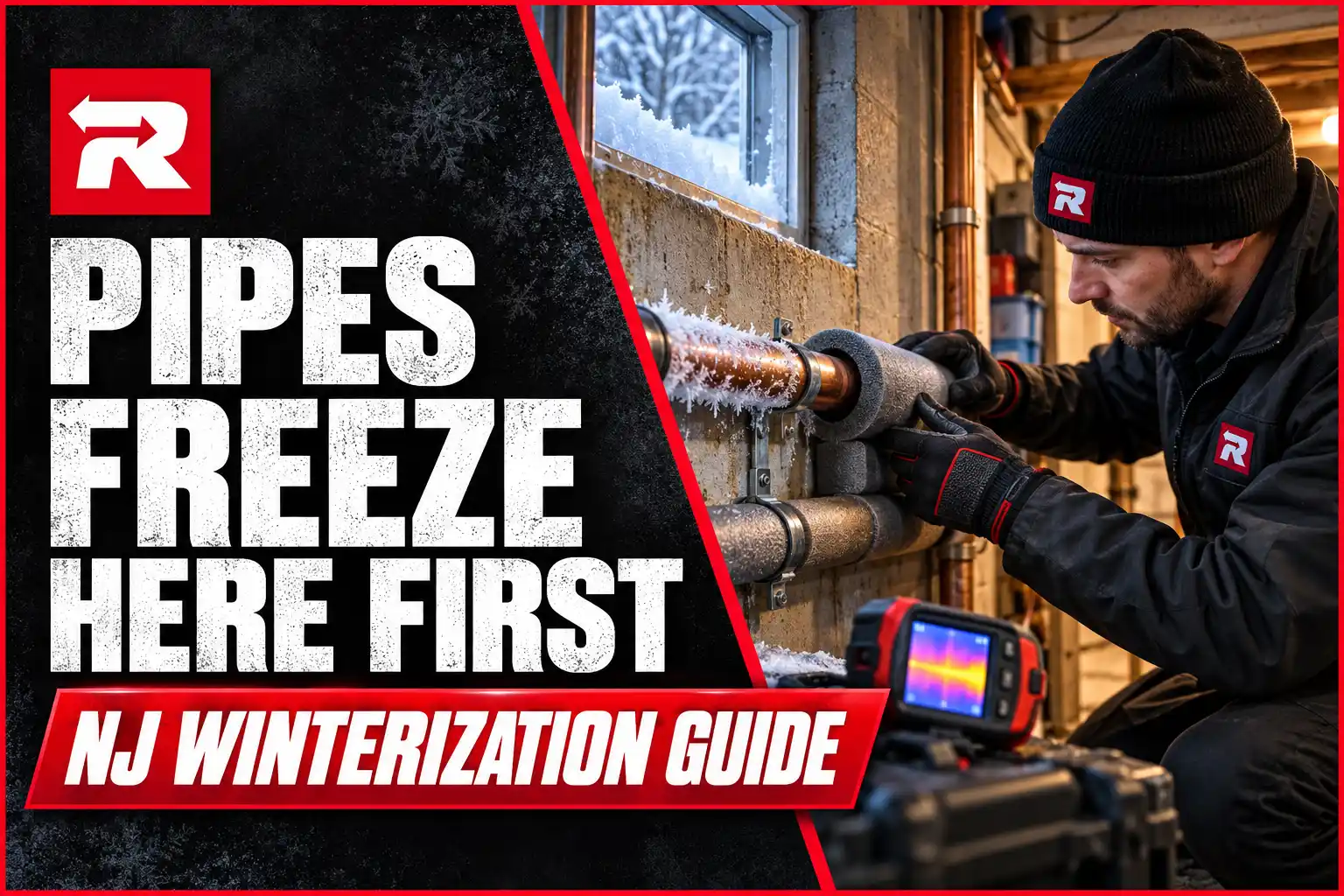
Burst pipes are one of the most common and most damaging water events we respond to, especially during winter cold snaps when pipes in unheated areas freeze, expand, and rupture. A single burst supply line can release hundreds of gallons of water before it is shut off, damaging walls, ceilings, flooring, and contents across multiple rooms or entire floors.
Frozen pipe failures specifically tend to spike during the first 24 to 48 hours after a major cold snap, particularly in homes that experienced extended absence, low thermostat settings, or exterior wall plumbing without proper insulation. Aging plumbing failures spread across all seasons and tend to affect older homes with copper or galvanized supply lines that have corroded over time.
Our pipe burst cleanup process starts with shutting off the water supply if it has not already been done, extracting standing water with industrial pumps, drying affected materials with dehumidifiers and air movers, and reconstructing damaged drywall, flooring, and finishes under one project manager from start to finish.
Water Heater Failures
A failing water heater can flood a basement, utility room, or garage in minutes. Water heaters fail in several different ways. The tank itself can rupture from corrosion or internal pressure, the supply lines or discharge pipes can leak, the temperature pressure relief valve can release without warning, or the bottom of the tank can develop slow seepage that goes unnoticed for weeks.
The damage profile from a water heater failure depends heavily on where the unit is located and how long it ran before being shut off. Basement water heaters that fail overnight can release dozens of gallons before anyone notices. Garage water heaters often cause less indoor damage but can affect drywall, flooring, and stored belongings.
Our emergency water removal response for water heater failures starts within hours of your call. We extract standing water, dry affected materials, and assess what can be saved versus what needs to be replaced.
Appliance Leaks (Dishwasher, Washer, Refrigerator Line)
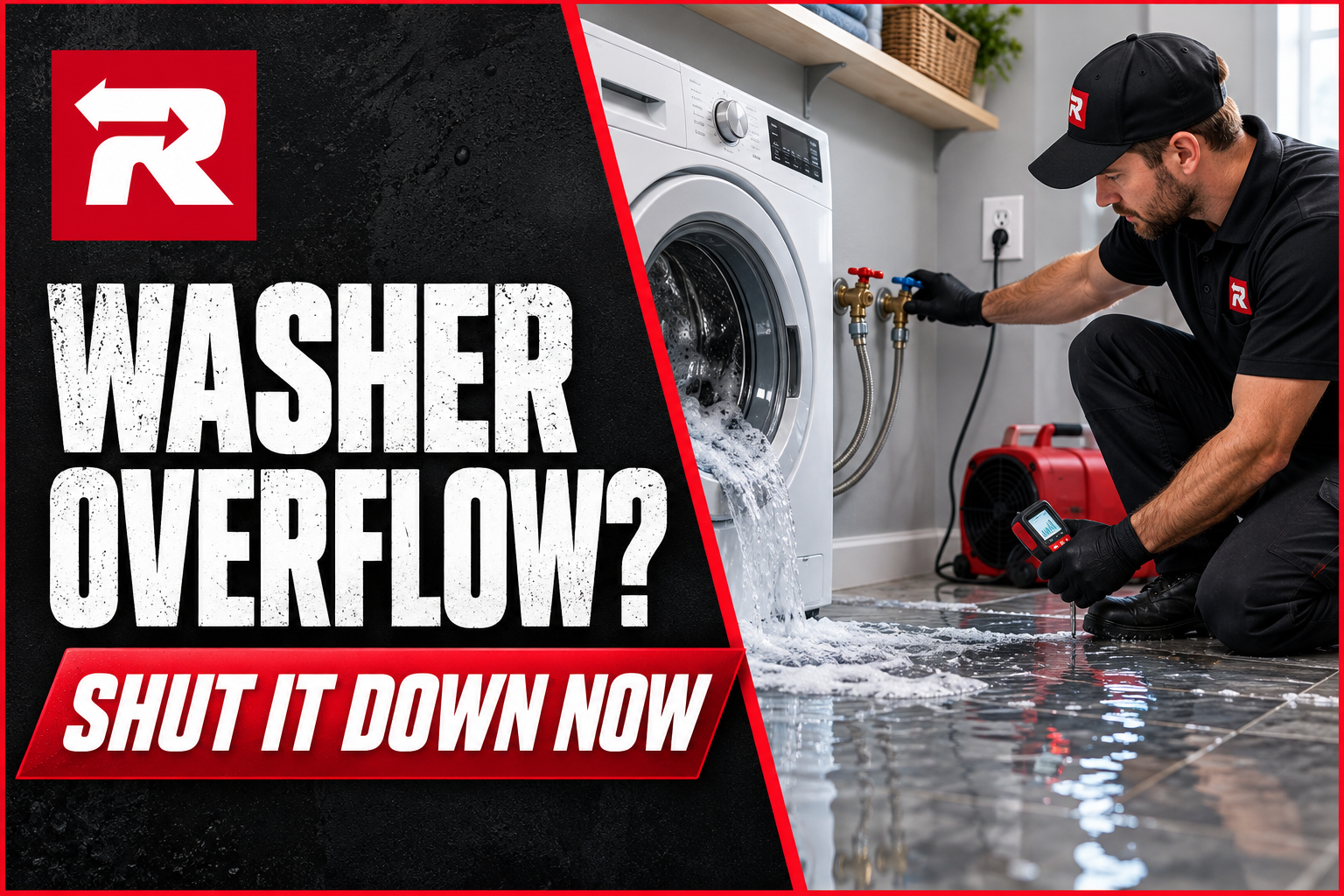
Household appliances that connect to water supply lines fail without warning, and the damage they cause depends on where the appliance is located and how long the failure went undetected. Dishwasher leaks typically cause damage to kitchen flooring, cabinets, and the subfloor underneath. Washing machine failures can flood laundry rooms and adjacent spaces. Refrigerator water line leaks often go unnoticed for weeks because the supply line runs behind the unit, slowly damaging flooring and cabinets before any visible signs appear.
The most common appliance failures we respond to involve supply hoses that have aged past their service life, ice maker lines that have cracked or come loose, dishwasher pump failures, and washing machine drain hose disconnections. Each scenario produces different damage patterns and requires different cleanup approaches.
Standard homeowner insurance policies typically cover sudden and accidental appliance failures, including the water damage they cause. Restorian provides full water damage restoration with Xactimate certified documentation that streamlines the claim process.
Roof Leaks and Wind-Driven Rain
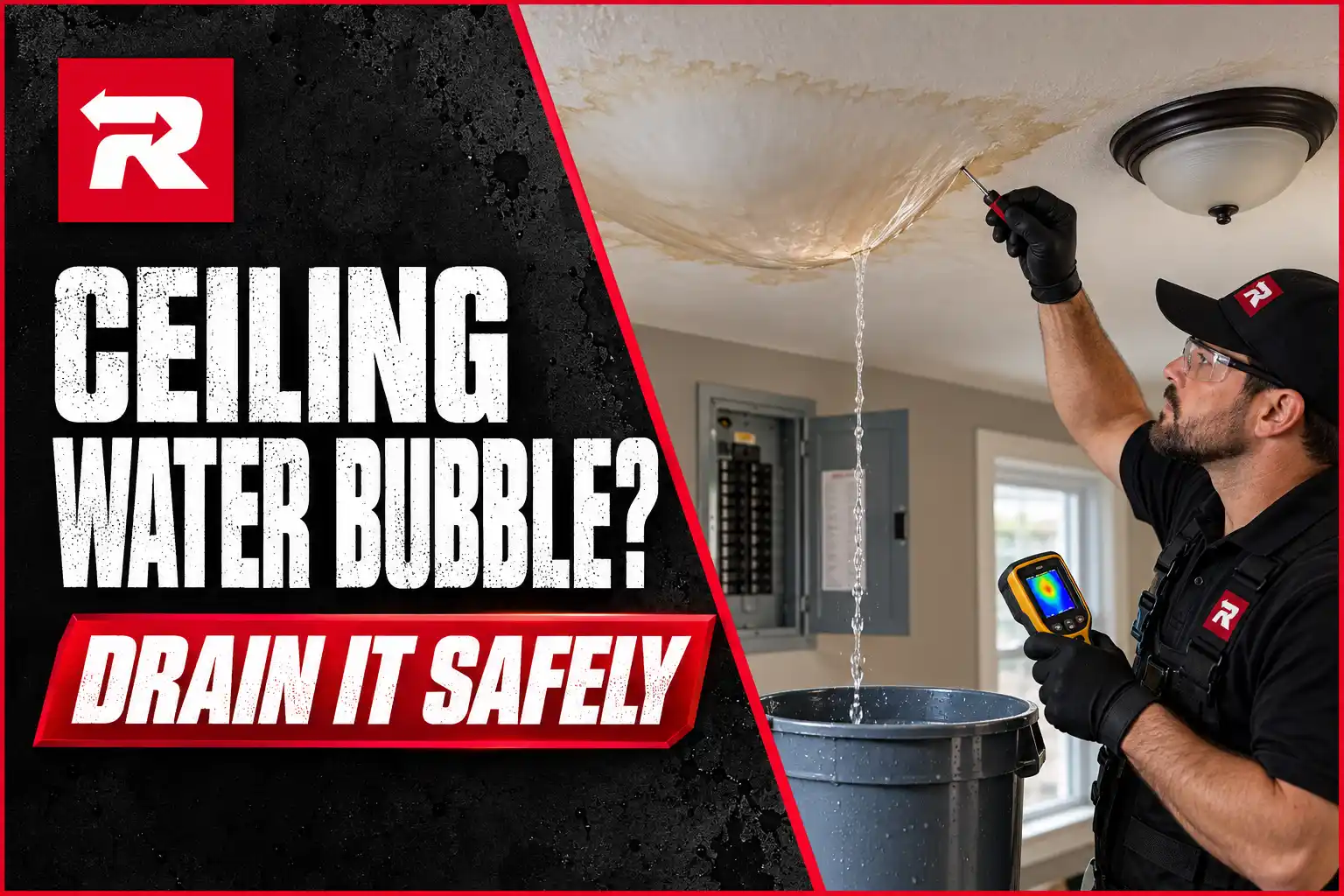
Roof leaks can develop slowly from age and weathering or suddenly from storm damage, and the cause affects both the cleanup approach and the insurance coverage that applies. Storm-related roof damage caused by wind, hail, or fallen branches is typically covered under standard homeowner insurance. Gradual roof failures from aging shingles, ice damming, or deferred maintenance are often considered maintenance issues and may not be covered.
Wind-driven rain is a specific cause we respond to during nor’easters, hurricane remnants, and severe thunderstorms. Wind forces rain into spaces that normally stay dry, including window frames, roofline gaps, attic vents, and chimney flashing. The damage often appears in unexpected locations like interior walls, ceilings far from windows, or attic insulation.
Our storm and disaster response services include emergency tarping to stop ongoing water intrusion, water extraction, structural drying, and full reconstruction when roof, ceiling, or wall damage requires rebuilding.
Overflowing Toilets, Sinks, and Tubs
Plumbing fixture overflows produce some of the most variable water damage scenarios we handle. The damage depends entirely on the source. A clean water overflow from a sink or tub is typically Category 1 water and requires standard extraction and drying. A toilet overflow that came from the supply side (the clean water entering the bowl) is also Category 1. A toilet overflow that came from the drain side (sewage backing up through the toilet) is Category 3 black water and requires full sewage cleanup protocols including PPE, antimicrobial treatment, and material removal.
The same physical event can produce wildly different cleanup requirements depending on the water source. This is why we ask specific questions about the cause when you call. Knowing whether the water is Category 1, 2, or 3 changes the equipment we dispatch, the protocols we follow, and the documentation we prepare for your insurance carrier.
For contaminated overflow events, our sewage cleanup process includes full PPE protocols, EPA-registered antimicrobial treatment, HEPA air scrubbing, and documented sanitization to prevent ongoing contamination after the visible water is removed.
Basement Seepage and Groundwater Intrusion
Basement seepage is a slow, persistent form of water damage that often goes unnoticed for months. Groundwater enters through foundation cracks, hydrostatic pressure pushes water up through floor seams, and saturated soil after heavy rain forces moisture through basement walls. Unlike a burst pipe or appliance failure, basement seepage usually does not produce a single dramatic event. It produces ongoing dampness, slow material deterioration, and eventual mold growth.
Insurance coverage for basement seepage is typically more limited than coverage for sudden water events. Many policies exclude gradual water damage from groundwater unless flood insurance through the National Flood Insurance Program has been added. This makes documentation especially important for these claims.
Our flooded basement cleanup response addresses both the immediate water removal and the underlying conditions that allow seepage to continue. We coordinate with foundation specialists when permanent repairs are needed, and we recommend preventive measures like sump pump upgrades, foundation crack sealing, and exterior drainage improvements to reduce future risk.
Storm Flooding and Disaster Events
Storm flooding includes hurricane remnants, severe thunderstorms, nor’easters, and any major weather event that overwhelms drainage systems and pushes water into properties from outside. This is the largest single category of water damage we respond to during major weather events, often affecting dozens of properties simultaneously across our service area.
Storm flooding is typically classified as Category 3 contaminated water because it picks up sewage, chemicals, debris, and bacteria as it flows. Cleanup protocols for storm flooding require full PPE, extensive material removal, antimicrobial treatment, and verification testing before reconstruction begins.
Insurance coverage for storm flooding depends on the source. Wind-driven rain that enters through a damaged roof is typically covered under standard homeowner insurance. External flooding from rising water, storm surge, or overwhelmed drainage typically requires flood insurance through the NFIP. Our crews document every storm flooding event carefully because the source determination directly affects which coverage applies.
Sewage Backups and Contaminated Water Losses
Sewage backups are the most hazardous water events we respond to. Unlike clean water from a burst pipe, sewage carries bacteria, viruses, parasites, and chemical contamination that pose serious health risks and require specialized cleanup protocols. Direct contact, splashing onto skin, or even airborne exposure during cleanup can cause serious illness.
Sewage events occur for several different reasons. Municipal sewer system overflow during heavy rain when public infrastructure cannot handle the volume. Sewer line blockages from tree roots, grease buildup, or collapsed sections of private sewer lines. Septic system failures in properties not connected to municipal sewers. Floor drain backup during storm events.
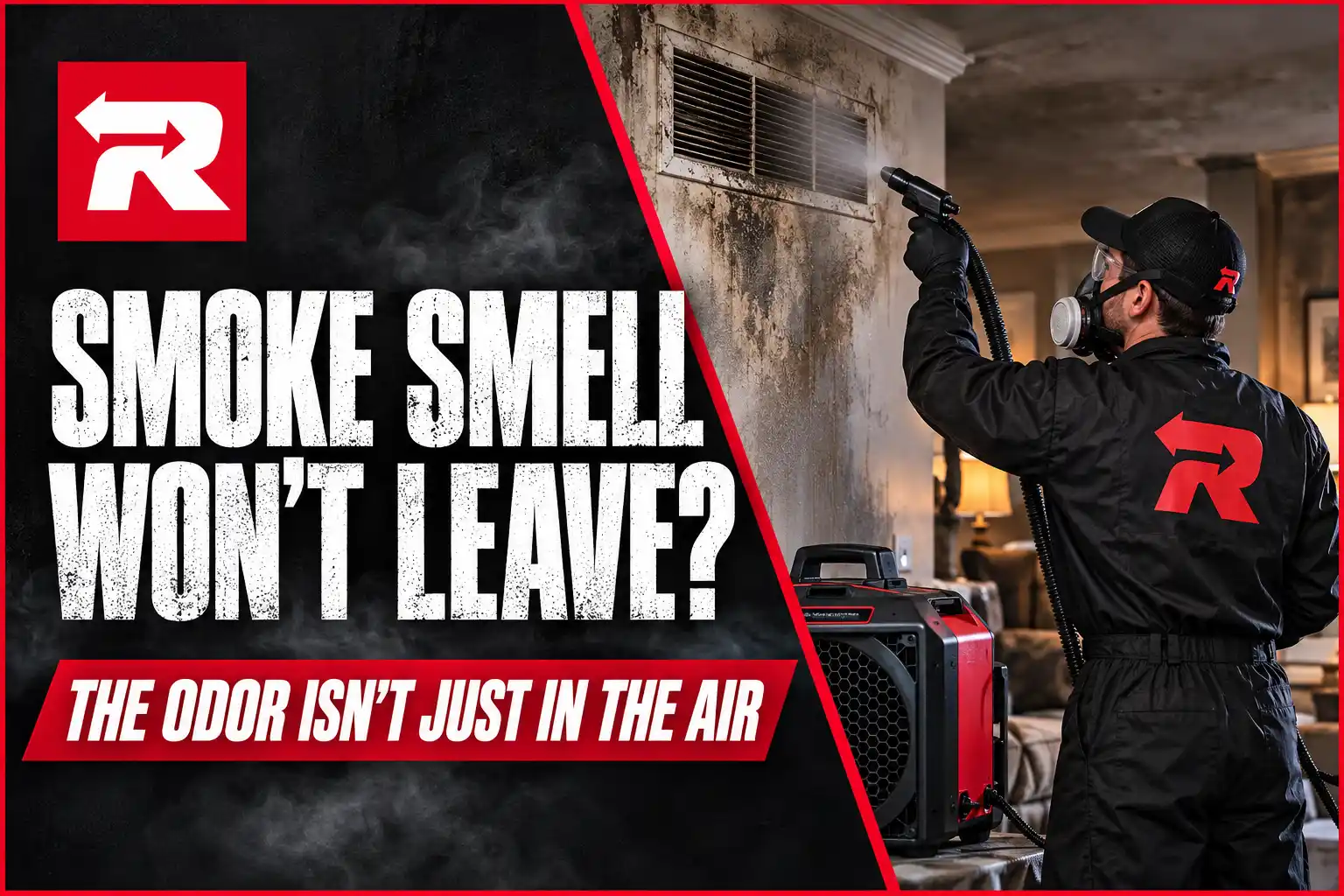
Sewage cleanup is fundamentally a biohazard remediation scenario. Our crews suit up in full PPE, install containment plastic to prevent cross-contamination, deploy HEPA air scrubbers, remove all contaminated materials per industry protocols, and apply EPA-registered antimicrobial treatment. We document every step for insurance claims because sewer backup coverage is typically a separate endorsement on most homeowner policies.
What Happens After the Water Is Removed
Regardless of the cause, every water damage event Restorian handles follows the same general sequence after the immediate emergency response. Water extraction is followed by structural drying, which uses industrial dehumidifiers and air movers to remove moisture from drywall, framing, subfloor, and other building materials. Daily moisture readings verify the structure is reaching the dry standard before any reconstruction begins.
Once the structure is dry, damaged materials that could not be saved are removed and replaced. Reconstruction includes drywall, flooring, framing, cabinetry, and finishes managed under one project manager from start to finish. We coordinate directly with your insurance carrier throughout the process, prepare Xactimate certified estimates that adjusters recognize, and handle every phase under one company so there are no gaps in scope, timeline, or documentation between separate contractors.
When to Call Restorian
The faster you call after a water event, the more of your property and belongings can be saved. Mold spores germinate within 48 hours of sustained moisture. Drywall, insulation, and structural framing absorb water within minutes of contact. Water that sits for a week causes ten times the damage of water removed in the first six hours.
Restorian provides 24/7 emergency water damage response across New Jersey, New York, and Connecticut. We work with all major insurance carriers including NJM Insurance Group, State Farm, USAA, Allstate, AIG, Progressive, American Family Insurance, Nationwide, Liberty Mutual, and Farmers Insurance. Call (888) 788-5038 or visit restorian.co for a free consultation.