Water damage is one of the most common property emergencies. Mold after water damage is one of the most frequently mishandled ones. Every week, we respond to properties where the original water damage event happened weeks or months earlier. The water dried out. Life went back to normal. And then someone noticed a strange smell in a closet, or a dark stain that keeps coming back on a ceiling, or a family member developed unexplained respiratory symptoms. That is not coincidence. That is mold.
If your property has recently experienced water damage of any kind (a burst pipe, a leaking dishwasher, a flooded basement, a sewage backup, or a storm-related water intrusion), the risk of secondary mold development is real, immediate, and often invisible. This guide walks through everything Restorian’s IICRC certified crews wish every property owner and property manager knew about how mold develops after water damage, where it hides, why inadequate water damage remediation is the leading cause of avoidable mold problems, and how professional mold remediation actually works.
The 24 to 48 Hour Rule: How Quickly Mold Develops After Water Damage
Mold begins to grow on wet organic surfaces within 24 to 48 hours of water exposure. That timeline is not a scare tactic. It is the biological reality of how mold spores work. Mold spores exist naturally in the air everywhere, indoors and outdoors, at all times. When those spores land on a surface with enough moisture and organic material (drywall, wood, carpet padding, insulation, fabric, cardboard, paper backing on drywall), they begin to germinate. Under warm, humid conditions, visible mold colonies can appear within 3 to 5 days.
This is why professional water damage restoration response speed matters so much. Every hour of delay after a water damage event increases the probability of secondary mold development. Industrial extraction, structural drying with commercial dehumidifiers and axial fans, and EPA-registered antimicrobial treatment applied within the first 24 to 48 hours can prevent mold development entirely. The same response performed 3 or 4 days later cannot undo mold growth that has already started.
Why “Dried Out” Does Not Mean “Mold-Free”
One of the most common and expensive property owner mistakes after water damage is assuming that once the visible water is gone, the problem is solved. It is not. Water travels through porous building materials in ways that are invisible to the naked eye:
- Water absorbs into drywall through the paper backing and wicks upward through capillary action
- Water travels through subflooring and into structural wood framing where it can remain for weeks
- Water saturates fiberglass and cellulose insulation in wall cavities and ceiling voids
- Water penetrates carpet padding and can migrate under tile and vinyl flooring
- Water enters HVAC system components and duct insulation
Surface drying with fans and towels does nothing to address hidden moisture in wall cavities, subflooring, insulation, or HVAC systems. Mold grows in exactly these hidden spaces. Restorian’s IICRC certified crews use moisture meters, infrared thermal imaging, and industrial dehumidifiers to detect and eliminate hidden moisture that consumer equipment cannot address, which is the single most important prevention step for post-water damage mold.
Signs of Mold After Water Damage
Mold does not always announce itself with obvious visible growth. Watch for these common signals that mold has developed after water damage:
Musty odor. The most common early sign. A persistent musty, damp, earthy, or earthy-basement smell that does not go away with cleaning or air fresheners is one of the most reliable indicators of active mold growth. The odor often localizes to a specific room or closet where the original water damage occurred.
Visible mold growth. Discoloration on walls, ceilings, baseboards, and inside cabinets ranging from black to green to white to orange to pink. Not all mold is black mold. Different species produce different colors.
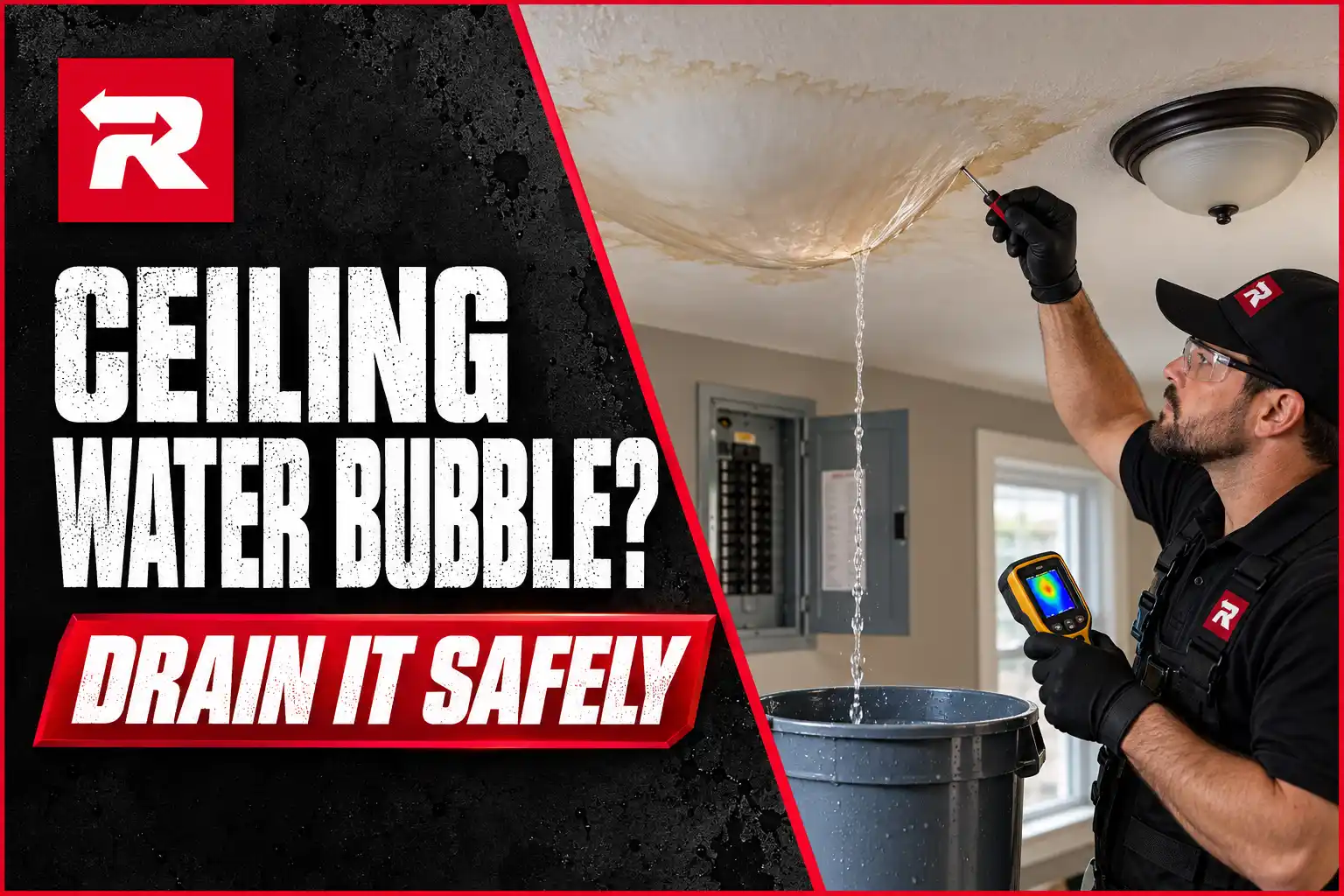
Water stains that keep returning. A stain on drywall or a ceiling that reappears after you paint over it is a signal that moisture is still present in the wall cavity, which likely means mold is developing behind the visible surface.
Peeling paint, bubbling drywall, or warped baseboards. Physical distortion of building materials weeks after a water damage event indicates ongoing moisture and often mold development.
Unexplained respiratory symptoms. Family members or building residents developing persistent cough, congestion, headaches, sinus problems, asthma flare-ups, or fatigue that improves when they leave the property. This is often the first sign of hidden mold that has been developing for weeks.
Increased allergy symptoms in the home. If seasonal allergies suddenly get worse indoors or occur year-round in the home, mold exposure is a common cause.
Hidden Mold Locations: Where Mold Actually Grows
Most post-water damage mold does not develop in visible locations. It develops in hidden spaces where surface cleanup and DIY drying cannot reach. Common hidden mold locations include:
Inside wall cavities. When water damages a wall, it wicks into the drywall paper and travels through the wall cavity. The interior surface of the drywall (facing the wall cavity), the wood framing, and insulation all become moisture-holding surfaces where mold develops out of sight.
Under carpet and carpet padding. Carpet padding acts like a sponge. Water absorbed into padding may take weeks to fully dry without professional extraction, and mold grows on the padding, the subfloor beneath, and the underside of the carpet itself.
Subflooring and structural wood framing. Water that penetrates through subflooring saturates the wood beneath. This is one of the most common hidden mold locations after basement flooding.
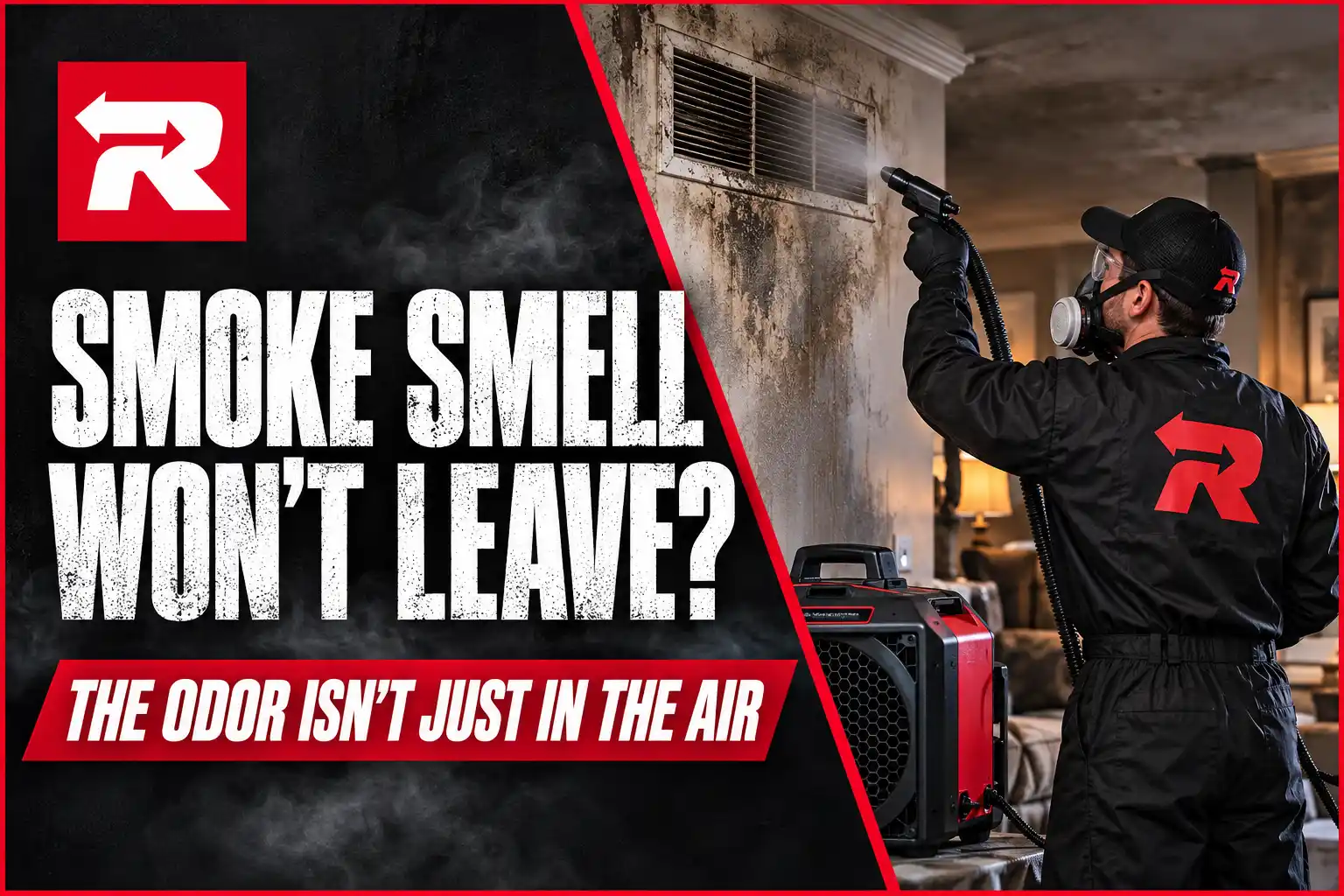
HVAC system components. Water damage that affects HVAC ducts, air handlers, or coils creates mold that then circulates throughout the building through the air handling system. This is particularly common after sewage backups or Category 3 water events.
Behind vinyl and tile flooring. Water absorbed into subfloor beneath vinyl or tile flooring is trapped and takes an extended time to dry, providing ideal conditions for hidden mold growth.
Insulation. Fiberglass and cellulose insulation soaked during water damage rarely dries completely without removal. Mold grows on the paper backing of fiberglass insulation and throughout cellulose.
Ceiling voids and attic spaces. Water traveling from an upstairs event can accumulate in ceiling voids where mold develops out of sight.
Cabinet interiors and behind appliances. Water from dishwasher leaks, refrigerator ice-maker line failures, and sink supply line events often migrates into cabinet interiors and behind appliances where mold develops slowly and unnoticed.
Types of Mold Commonly Found After Water Damage
Not all mold is the same. Common mold species found after water damage include:
- Cladosporium: Olive green or brown, one of the most common indoor molds
- Penicillium: Green or blue-green, spreads rapidly on water-damaged materials
- Aspergillus: Various colors, common in HVAC systems and building materials
- Alternaria: Dark green or brown, often develops on damp walls and around windows
- Stachybotrys chartarum: The infamous “black mold,” typically dark greenish-black, requires prolonged moisture and grows on cellulose-rich materials like drywall paper and cardboard
Restorian’s IICRC certified mold remediation approach treats all mold species with appropriate containment, removal, and antimicrobial treatment protocols regardless of species. The presence of any of these mold types after water damage requires professional remediation, not DIY cleanup.
Health Effects of Mold Exposure
Mold exposure affects different people differently. Some people experience no noticeable symptoms. Others (particularly individuals with asthma, allergies, respiratory conditions, compromised immune systems, infants, elderly individuals, and pregnant women) can experience significant health effects including respiratory irritation, chronic cough, sinus congestion, headaches, fatigue, allergy symptoms, asthma exacerbation, and in severe cases more serious respiratory illness. This guide is not a medical resource, and anyone experiencing symptoms should consult a physician. But the health risk is real enough that professional mold remediation is not optional for anyone who has confirmed mold growth in a property.
Why Inadequate Water Damage Remediation Causes Mold
The single most common cause of preventable post-water damage mold is inadequate initial water damage remediation. Common mistakes we see include:
- Using consumer fans and towels for what looks like a small water event without addressing hidden moisture in wall cavities and subflooring
- Removing visible water but leaving saturated carpet padding in place
- Painting over water-stained drywall without removing the affected material
- Skipping antimicrobial treatment because the visible area “looks dry”
- Not addressing HVAC system contamination after sewage backups or major water events
- Not extending drying to adjacent rooms and connected structural spaces
- Turning off dehumidifiers before moisture readings confirm structural drying is complete
Professional water damage restoration by IICRC certified crews using industrial extraction equipment, structural drying with commercial dehumidifiers and axial fans, moisture meters and infrared imaging to detect hidden moisture, and EPA-registered antimicrobial treatment is designed specifically to prevent the mold development that inadequate remediation invariably produces.
When to Call a Professional
Call an IICRC certified mold remediation professional in any of the following situations:
- You had a water damage event within the last 30 days and now notice musty odors, visible discoloration, or persistent water stains
- The affected area is larger than approximately 10 square feet
- The water damage was Category 2 (grey water) or Category 3 (black water including sewage)
- The mold is in HVAC systems, air ducts, or has spread through the building
- Family members or building residents are experiencing unexplained respiratory symptoms
- You are unable to identify the moisture source causing recurring mold growth
- Insurance is involved in the claim (professional documentation is required for coverage)
- You are managing a multi-family, commercial, healthcare, or institutional property
DIY mold cleanup with bleach and household products is inappropriate for anything beyond very small surface areas on non-porous materials. Bleach does not kill mold in porous materials like drywall and wood, and it can create additional health risks. Consumer-grade equipment cannot address hidden mold in wall cavities and structural spaces.
The Professional Mold Remediation Process
Restorian’s IICRC certified mold remediation process follows established industry protocols designed to eliminate mold growth, address the underlying moisture source, prevent cross-contamination during removal, and verify clean conditions before the project is complete. The core process includes:
Assessment and testing. Comprehensive inspection using moisture meters, infrared thermal imaging, and visual inspection to identify all affected areas including hidden mold locations. Testing may include air sampling and surface sampling to identify mold species and concentrations.
Containment. Physical containment using plastic sheeting and negative air pressure to prevent mold spore migration to unaffected areas during the removal process. This step is critical and cannot be skipped.
HEPA air filtration. Continuous HEPA air scrubbing throughout the containment area during remediation to capture airborne mold spores.
Removal of affected materials. Contaminated drywall, insulation, carpet padding, and other porous materials that cannot be safely cleaned are removed and sealed for disposal per biohazard protocols. Non-porous materials are cleaned in place with EPA-registered antimicrobial treatments.
Structural drying and moisture source elimination. Industrial dehumidifiers, axial fans, moisture meters, and infrared imaging ensure the underlying moisture source is eliminated and structural materials are fully dried, because mold cannot be permanently remediated if the moisture source remains.
EPA-registered antimicrobial treatment. Application of EPA-registered antimicrobial products to remaining structural materials to prevent recurrence.
Clearance testing. Post-remediation air sampling and visual inspection to confirm that affected areas meet clearance standards before containment is removed and reconstruction begins.
Reconstruction. Replacement of removed drywall, insulation, flooring, and finishes to restore the property to pre-loss condition.
Insurance Coordination for Water Damage and Mold Claims
Insurance coverage for water damage and mold claims is nuanced. Most standard homeowners and commercial property policies cover sudden and accidental water damage (a burst pipe, a supply line failure, a storm-related water intrusion) plus the mold remediation that results from the water event when handled promptly. Coverage for gradual leaks, seepage, and long-term moisture problems is often limited or excluded. Coverage for mold that develops due to failure to address a water damage event promptly may be denied.
This is one of the strongest reasons to respond fast to water damage. Waiting weeks to address a burst pipe not only allows mold to develop, it can also affect insurance coverage for the resulting mold remediation.
Restorian works directly with all major insurance carriers on both water damage and mold claims, including NJM Insurance Group, State Farm, USAA, Allstate, AIG, Progressive, American Family Insurance, Nationwide, Liberty Mutual, and Farmers Insurance. Xactimate certified documentation is prepared from the first site visit and submitted directly to your adjuster. One dedicated project manager handles communication with your adjuster throughout the project, coordinates joint inspections, and manages direct billing so you focus on your property, not on paperwork.
What to Do Immediately After Water Damage to Prevent Mold
First hour: Get everyone to safety. Turn off the water source if you can do so safely. Call your insurance company and a professional water damage restoration company. Document the damage with photos before you move anything.
First 24 hours: Get professional industrial extraction and structural drying on site. Consumer fans and towels are not sufficient. Do not delay hoping the water will “dry out on its own.” It will not dry out fast enough to prevent mold in wall cavities, subflooring, and hidden spaces.
First 48 hours: Ensure moisture meters and infrared imaging have been used to detect hidden moisture throughout affected areas including wall cavities, subflooring, and adjacent structural spaces. Any porous materials with confirmed contamination or saturation should be removed, not just dried.
First week: Confirm structural drying is complete with documented moisture readings before drying equipment is removed. Confirm EPA-registered antimicrobial treatment has been applied to affected materials.
First month: Monitor for any signs of returning odor, discoloration, or moisture. Any recurrence is a signal that hidden moisture or mold was missed and requires immediate professional inspection.
Water Damage or Mold Emergency? Call Restorian 24/7
If your property has recent water damage and you are worried about mold, or if you are already seeing signs of mold weeks or months after a water damage event, our IICRC certified crews are ready to respond. We are BBB accredited, Xactimate certified, SHA safety compliant, and registered with the New Jersey Division of Consumer Affairs. We work directly with all major insurance carriers and provide direct insurance billing on most claims.
Call (888) 788-5038 for 24/7 emergency water damage and mold response.
Learn more about Restorian’s water damage restoration and mold remediation services.