After a house fire, the first 48 hours run in this order: do not re-enter the home until the fire department explicitly clears it, even for “just one thing,” because hidden hot spots, weakened floors, and air quality make cleared-looking structures dangerous; ask the incident commander how to obtain the fire report and which utilities were shut off; call your insurance company the same day to open the claim and ask about Additional Living Expenses coverage for your hotel and meals (keep every receipt from the first hour on); secure the property with professional board-up and roof tarping, which your policy requires of you as the duty to mitigate; and get the water out fast, because the thousands of gallons used to extinguish the fire are now soaking floors, walls, and ceilings, and they start growing mold within 24 to 48 hours while everyone is understandably focused on the burn damage. Do not wipe soot, do not run the HVAC, and do not throw anything away yet. Here is each step in detail, in the order the first two days actually unfold.
Hour Zero: The Only Rule That Overrides Everything
Nobody goes back inside until the fire department says so, in plain words. Not for medication, not for the dog’s leash, not for your phone charger. Fires rekindle from hidden hot spots in walls and attics, floor systems weakened by burning or by water weight fail without warning, and the air inside a freshly extinguished structure carries a load of particulates and gases that no quick errand is worth. When firefighters do clear limited entry, ask for an escort to retrieve the true essentials: medications, glasses, keys, wallets, and important documents. Everything else waits.
While the trucks are still there, collect three pieces of information from the incident commander: how and where to get the fire report (your insurer will want it; in most NJ towns it comes from the fire department or municipal clerk within a few days), which utilities were shut off (gas, electric, water are routinely cut during firefighting, and only the utilities or licensed professionals should restore them), and whether the structure has been posted as unsafe to occupy.
The Same-Day Calls
Your insurance company, first. Open the claim the day of the fire. Ask three questions on that call: what does my policy provide for Additional Living Expenses (ALE pays for your hotel, meals above normal costs, and essentials while the home is uninhabitable); what do you need from me to start; and do you require specific documentation before emergency board-up. Start a dedicated folder (a phone note works) and keep every receipt from the first hour: the pharmacy run, the toothbrushes, the hotel, the takeout. ALE reimburses what you can prove.
Then the people who need to know. Family, your employer, children’s schools, and, if you rent, your landlord (your belongings are on your renters policy; the building is on theirs). If the home will be empty for a while, ask the police for extra patrols; unfortunately, fire-damaged homes attract scavengers.
Securing the Property: Not Optional
Your policy contains a clause most people meet for the first time tonight: the duty to mitigate, which means you are required to take reasonable steps to prevent further damage after the loss. In practice, that means professional board-up of broken windows and doors, tarping of roof openings, and fencing where needed, within the first day. Done right, it protects against weather, animals, and intrusion, and the cost is itself typically covered by the claim. Done late, any new damage (rain through the burned roof, a break-in through the burned door) can be contested. This is one of the first things our fire damage restoration crews handle on arrival, same day, with documentation your adjuster can use.
The Part Nobody Warns You About: The Water
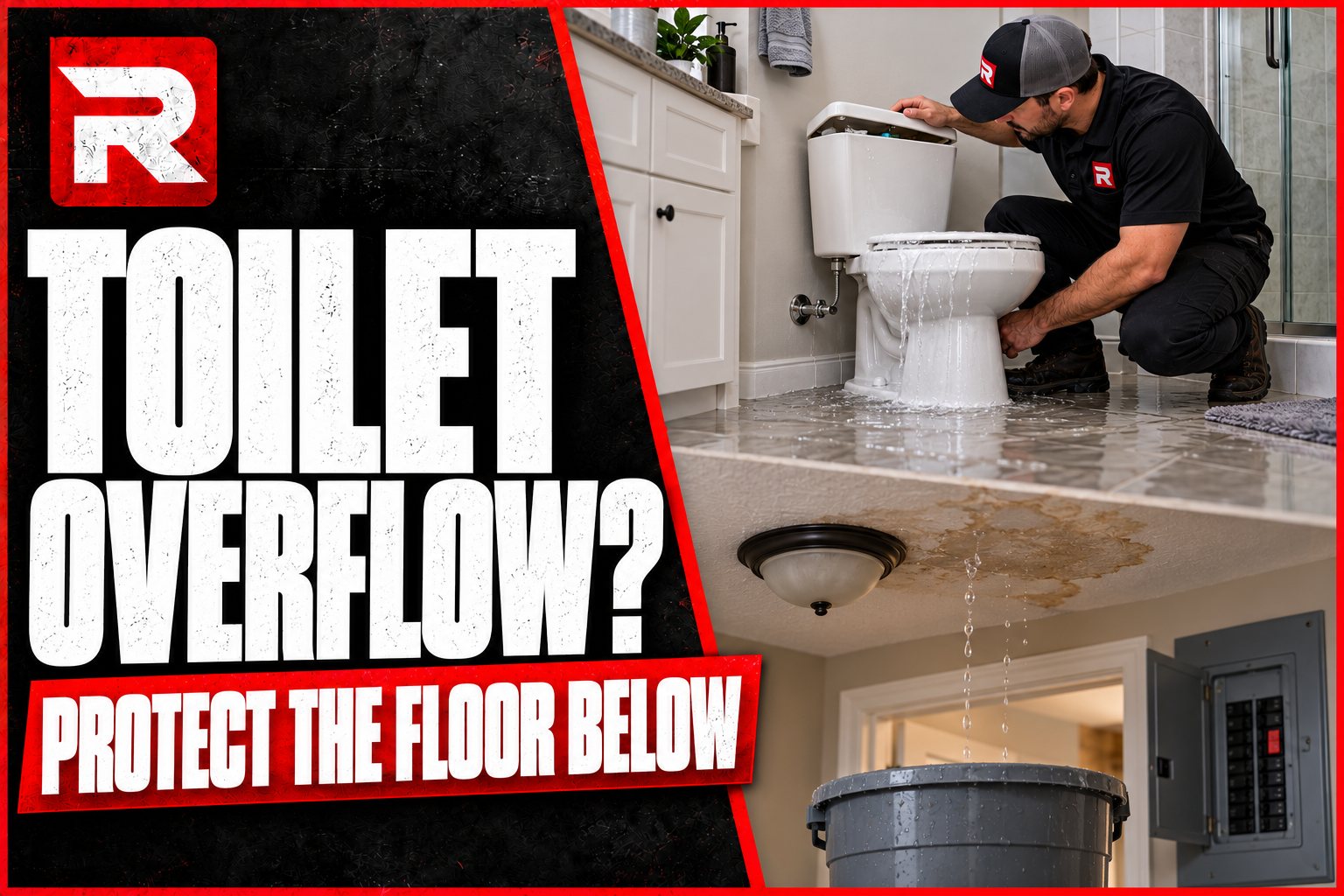
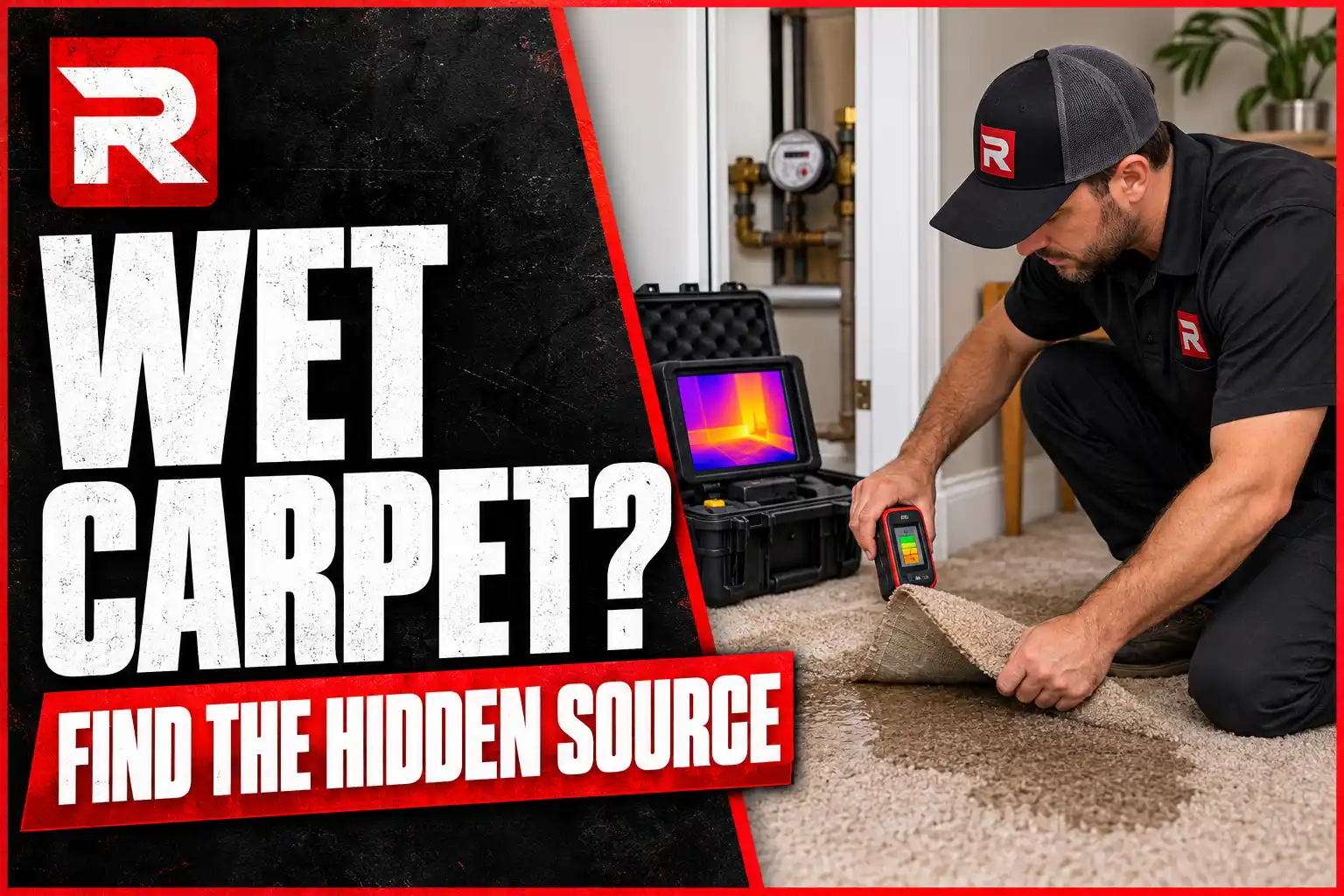
Here is the fact that surprises nearly every fire family: every house fire is also a water loss. Extinguishing a structure fire can put thousands of gallons into the building, and while everyone’s attention is on the char, that water is soaking into subfloors, wall cavities, insulation, and the ceilings below the fire floor. It runs on the clock regular readers know by heart: mold establishes in saturated materials within 24 to 48 hours, and fire-weakened, soot-coated, water-logged drywall and flooring deteriorate fast. This is why professional response to a fire starts looking like our water playbook almost immediately: extraction, moisture mapping, structural drying, and antimicrobial treatment, running in parallel with the fire-side work rather than after it. A home that gets board-up on day one but no drying until day ten has quietly doubled its scope.
What Not to Do (the Expensive Instincts)
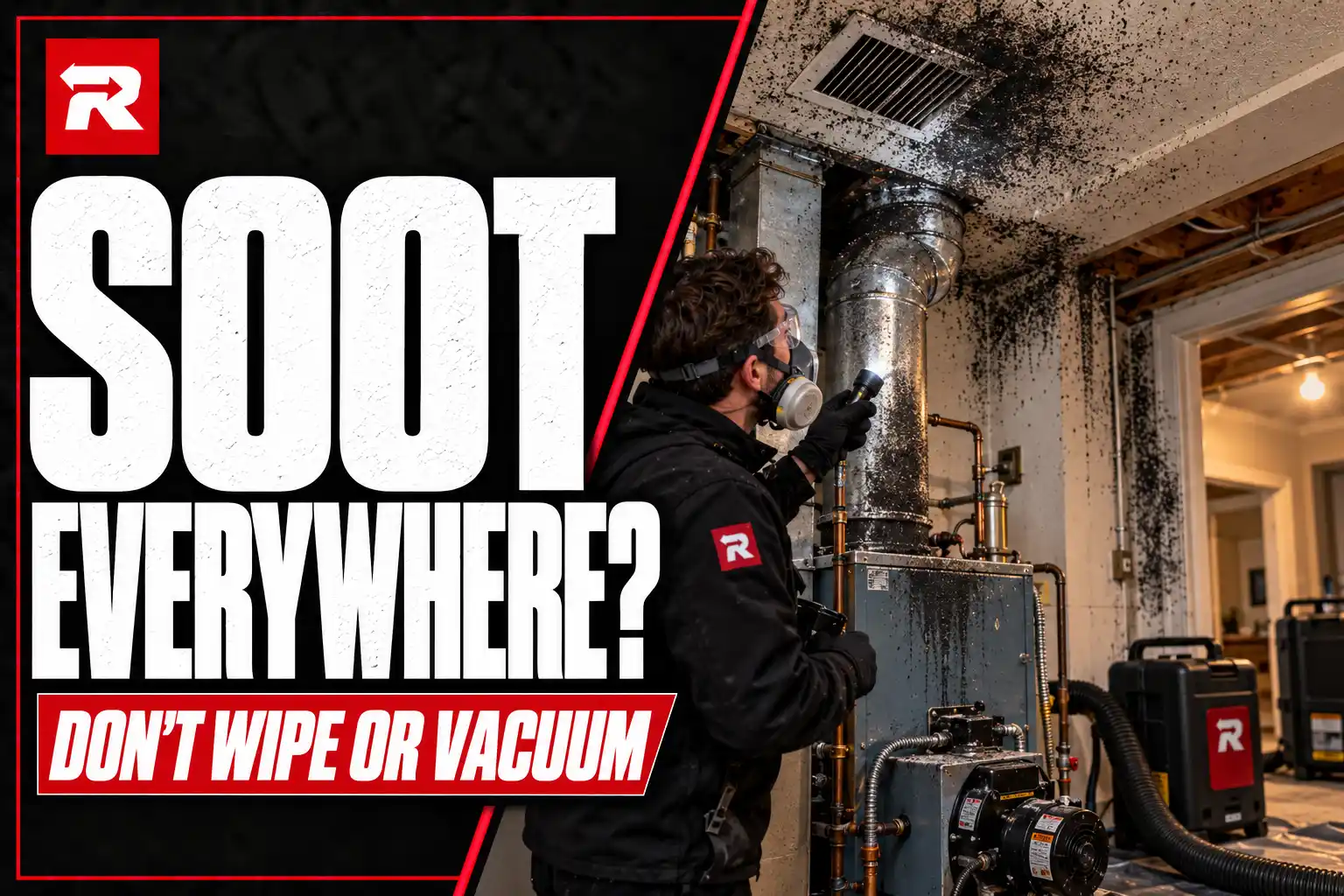
Do not wipe or vacuum soot. Soot is acidic and oily; wiping drives it permanently into paint, grout, and fabric, and household vacuums blow the finest particles back into the air. (Our puffback readers have heard this sermon; after a fire it applies to every surface in the house.)
Do not run the HVAC. The duct system is full of soot and odor, and every cycle redistributes both into rooms the fire never touched.
Do not start washing clothes and fabrics. Ordinary laundering can set smoke odor and soot stains; smoke-damaged textiles have their own professional process, and your contents claim needs them inventoried first.
Do not throw anything away yet. The adjuster needs to see the damage, and the contents inventory (item, age, approximate value, photos) is built from what is there. Discard only what health requires, and photograph even that.
Do not turn utilities back on yourself. Gas, electric, and water come back through the utilities and licensed trades, after inspection.
What the First Week Looks Like From Here
Once the structure is secured and the water is being managed, fire restoration proper begins: soot removal with surface-matched chemistry, pack-out and specialized cleaning of salvageable contents, odor neutralization (hydroxyl and ozone, not fragrance), duct cleaning, and then the fork between cleaning and reconstruction for what the fire took outright. Lingering smoke odor has its own guide on this blog (why smoke smell won’t go away), and the honest answer on timelines runs from weeks for a contained kitchen fire to months for a major structure loss. One project manager across all of it is the difference between a sequence and a circus.
A Word for Englewood
Englewood’s housing stock is the kind fire teaches hard lessons in: generous prewar colonials and tudors with original framing, balloon-framed walls that let fire and smoke travel floor to floor, and plaster that holds odor long after it looks clean. When our crews handle fire damage restoration in Englewood, the playbook above gets local texture: board-up that respects what can be saved of original windows and trim, drying plans for plaster-and-lath that modern drywall schedules would ruin, and documentation built for the fuller claims these homes involve. Our Englewood restoration page (verify slug) covers how we work in the city, and the number below answers at any hour.
The Bottom Line
Clearance before re-entry, always. Same-day: the insurance call, the fire report request, the receipt folder, and professional board-up, because mitigation is your duty under the policy. Fast behind that: the water, which is the second disaster already running inside the walls. And throughout: hands off the soot, HVAC off, nothing discarded before the adjuster. The first 48 hours do not rebuild the house, but they decide how hard the rebuild will be.
Restorian provides 24/7 fire damage restoration across New Jersey, New York, and Connecticut: same-day board-up and tarping, firefighting water extraction and structural drying, soot and odor removal, contents pack-out, and full reconstruction under one project manager, with free assessment and direct insurance billing. If the trucks just left: (888) 788-5038.
Frequently Asked Questions
What should I do first after a house fire? Stay out until the fire department explicitly clears re-entry, then handle the same-day list: ask the incident commander how to get the fire report and which utilities were shut off, call your insurer to open the claim and activate Additional Living Expenses coverage, start keeping every receipt, and arrange professional board-up and tarping the first day, since your policy’s duty-to-mitigate clause makes securing the property your responsibility. Retrieve essentials only with an escort, and leave everything else in place for the adjuster.
Can I stay in my house after a small fire? Only if the fire department says the structure is safe AND the damage is genuinely contained. Even small fires leave air heavy with soot particulates and gases, and smoke travels far beyond the burn room through ducts and wall cavities. A kitchen fire with smoke through the HVAC can make bedrooms unhealthy overnight. If you do stay, keep the HVAC off, close off the affected area, and get air quality and soot spread professionally assessed quickly. When in doubt, one night out is cheap insurance; ALE coverage usually pays for it.
Why is there water damage after a house fire? Because extinguishing a structure fire can take thousands of gallons, and that water soaks subfloors, wall cavities, insulation, and the ceilings below the fire floor while attention is on the burn damage. It runs the standard clock: mold establishes in saturated materials within 24 to 48 hours, and fire-weakened materials deteriorate faster when wet. Proper fire response runs water extraction and structural drying in parallel with board-up and soot work from day one, not as an afterthought in week two.
Should I clean up soot myself after a fire? No. Soot is acidic and oily: wiping drives it permanently into paint, grout, and fabrics, household vacuums exhaust the finest particles back into the air, and running the HVAC spreads it to untouched rooms. Washing smoke-damaged clothes normally can set the odor and stains. Professional crews use dry chemical sponges, surface-matched cleaners, HEPA filtration, duct cleaning, and odor neutralization. Your most useful moves are photographs, patience, and keeping the system off.
Does homeowners insurance cover fire damage restoration? Fire is the core covered peril of a homeowners policy: structure repairs, smoke and soot cleanup, the water damage from firefighting, contents (inventoried), board-up and mitigation costs, and Additional Living Expenses while the home is uninhabitable are all typically covered, minus the deductible. The process rewards documentation: the fire report, photos before anything is moved or discarded, every receipt from the first hour, and a contents inventory. We prepare Xactimate certified estimates and bill carriers directly.
How long does fire damage restoration take? Honest ranges: a contained kitchen or single-room fire with smoke spread typically runs several weeks from board-up through cleaning, deodorization, and repairs. A fire that opened the roof or took structural framing runs months, because drying, demolition, inspection, and reconstruction each have their own timelines. The variables that matter most: how far smoke and firefighting water traveled, how quickly drying started, and how soon the claim documentation was complete. One project manager across the whole sequence keeps the phases from waiting on each other.