Bayonne sits on a peninsula surrounded by water on three sides. Newark Bay to the west, Upper New York Bay to the east, and the Kill Van Kull to the south. That geography defines almost everything about property damage in this Hudson County city, from the storm surge patterns that flood basements during hurricane season to the century-old plumbing systems in the substantial preserved 19th century housing stock that fail every January when temperatures drop below freezing.
For the approximately 71,000 residents living across Bayonne’s dense historic urban core, understanding how property damage happens here, and how it needs to be handled, matters. This guide covers what makes Bayonne water damage, fire damage, and storm damage response different from work in inland communities, and what Bayonne homeowners and business owners should expect when they call for emergency restoration services.
Why Bayonne Property Faces Distinct Water Damage Risks
Bayonne’s peninsula geography creates property damage exposure that inland Hudson County communities do not face. When nor’easters push water up New York Harbor, when hurricanes drive storm surge into the Kill Van Kull, when heavy rain events overwhelm the municipal stormwater system, Bayonne properties feel it first. Hurricane Sandy in October 2012 caused catastrophic flooding across substantial portions of the peninsula, particularly along the eastern waterfront and in lower-elevation neighborhoods. That storm surge history continues to shape how insurance carriers evaluate Bayonne claims and how restoration crews approach coastal flood scenarios in the community.
Beyond storm exposure, Bayonne’s substantial preserved historic housing stock creates additional considerations. Much of the residential building stock dates from the late 19th and early 20th centuries, featuring preserved Victorian, Italianate, Queen Anne, and Colonial Revival architecture with original architectural elements of substantial historic and architectural value. Century-old plumbing systems in these homes fail predictably during winter cold snaps, with water damage extending through old lath-and-plaster walls and original architectural details that require preservation-aware restoration rather than tear-and-replace construction approaches.
The dense multi-family building stock throughout Bayonne, particularly in the historic Downtown Bayonne area and along the Broadway commercial corridor, creates another dimension. When upper-floor pipe failures happen in older multi-family buildings, water travels through shared structural connections, floor assemblies, and wall cavities, affecting multiple units and requiring multi-unit coordination that single-family restoration does not.
Common Water Damage Scenarios in Bayonne Homes
Burst Pipe Events
Burst pipe events in Bayonne homes spike during January and February cold snaps. Older homes with original copper supply lines, pipes running through exterior walls, and unfinished crawlspaces are particularly vulnerable. Bayonne’s coastal exposure means the peninsula experiences some of the coldest winter temperatures in Hudson County during severe freeze events, and when temperatures drop below 20 degrees Fahrenheit for extended periods, older plumbing systems fail predictably.
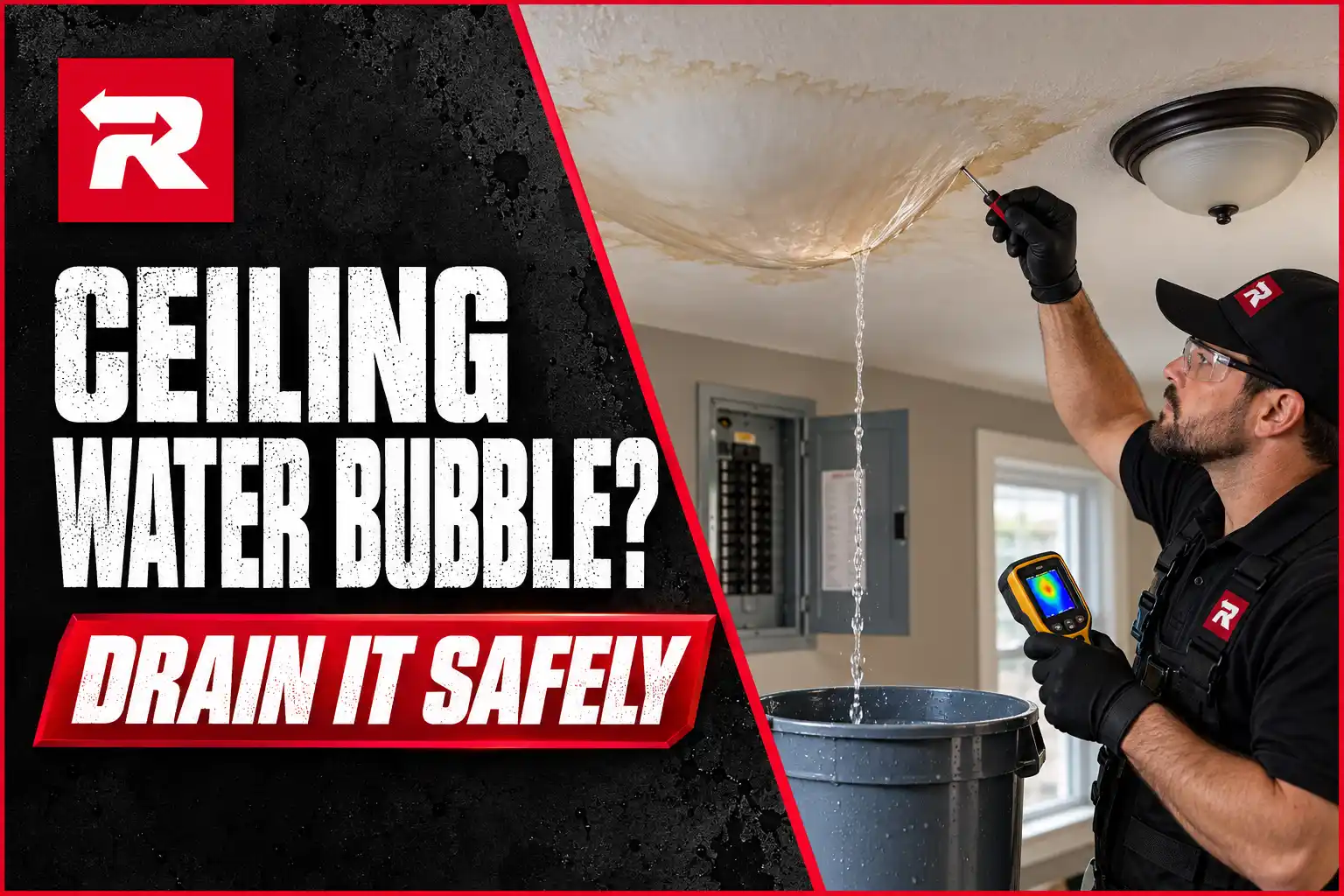
The scope of a burst pipe event in a historic Bayonne home can be substantial. Water traveling through century-old lath-and-plaster walls, original hardwood flooring, and finished basement systems creates damage that requires industrial extraction equipment, preservation-aware structural drying, and content protection protocols beyond what standard residential restoration provides.
Storm Surge and Flood Damage
Bayonne’s peninsula geography means storm surge affects properties throughout the community, not just those directly on the waterfront. During Hurricane Sandy 2012, storm surge from Newark Bay and Upper New York Bay overwhelmed the municipal stormwater system and caused catastrophic flooding in neighborhoods well inland from the coastline. Restaurant grease trap failures, sewage backups, and industrial contamination from Constable Hook created Category 3 black water scenarios that required specialized biohazard response.
For Bayonne properties in flood-exposed neighborhoods, National Flood Insurance Program (NFIP) claim documentation matters. When flood damage is properly documented from the initial response, insurance settlements move faster and cover more of the actual restoration scope.
Sewage Backups
Sewage backups in Bayonne commonly result from heavy rain events overwhelming the municipal stormwater system, sump pump failures during prolonged power outages (which the peninsula experiences frequently during severe weather), aging cast iron drain stacks in the historic homes throughout the community, and restaurant grease trap failures along the substantial Broadway and Kennedy Boulevard commercial corridors.
Category 3 black water contamination requires removal of porous materials that cannot be safely sanitized. Carpet padding, drywall, insulation, and other porous building materials contaminated with sewage cannot be cleaned and returned to service. They must be removed, disposed of according to biohazard requirements, and replaced during reconstruction.
Fire Damage in Bayonne’s Historic and Multi-Family Buildings
Fire damage response in Bayonne spans multiple property types that each require distinct approaches. Dense multi-family events in the historic urban core affect multiple units through shared walls and structural connections, with cross-unit smoke migration through shared HVAC systems creating scope beyond the unit of origin. Historic preservation scenarios throughout the substantial preserved Downtown Bayonne architecture require preservation-aware restoration of significant Victorian, Italianate, Queen Anne, and Colonial Revival architectural elements. Restaurant fires along the historic Broadway commercial corridor and Kennedy Boulevard create business interruption considerations that require SHA safety compliance for commercial work and business continuity coordination with commercial insurance carriers.
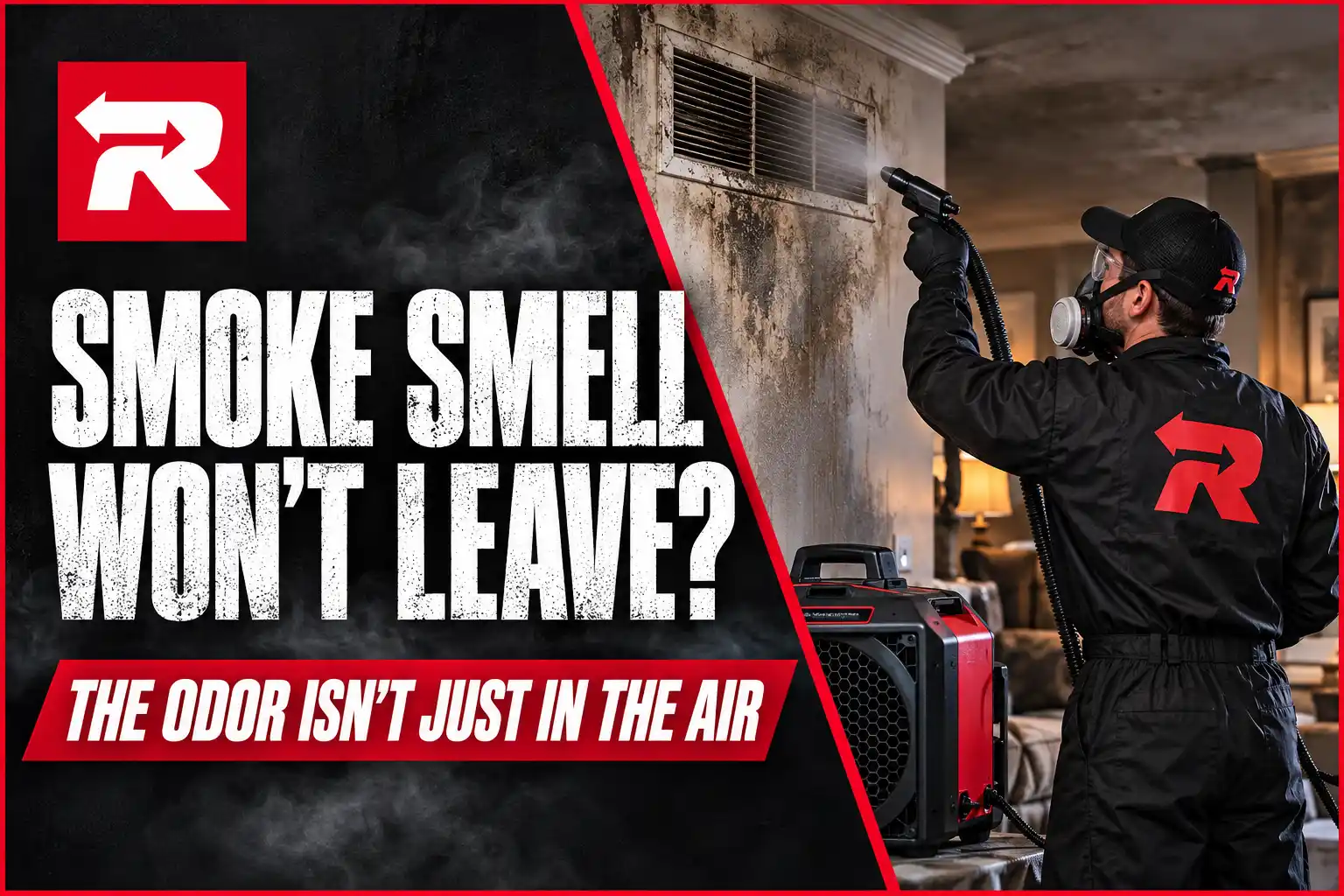
Content cleaning and pack-out for Bayonne fires includes preservation-aware content considerations for the substantial historic and cultural value of original 19th and early 20th century woodwork, custom period millwork, and valuable original architectural elements common in Bayonne’s historic housing stock. ULV cold fogging with EPA-registered odor counteractants, HEPA air scrubbing, and ozone treatment eliminate smoke and odor contamination that travels through multi-family HVAC systems and shared structural cavities in older dense urban housing.
Complete reconstruction of fire damage matches original Victorian, Italianate, Queen Anne, and Colonial Revival historic finishes throughout affected rooms. That means preservation-aware approaches to plaster restoration, original woodwork replication, and period-appropriate finish work rather than modern tear-and-replace construction.
Storm Damage and Hurricane Season Preparation
Bayonne homeowners should understand that hurricane season affects the peninsula differently than inland Hudson County communities. Severe weather including hurricane-driven wind events, nor’easters, severe winter storms, and severe thunderstorms produce roof damage, tree-related losses, and water intrusion across the dense urban housing stock, historic infrastructure, and substantial commercial property base.
For Bayonne homeowners, hurricane season preparation means understanding flood exposure, verifying that flood insurance coverage is current, documenting the property’s condition before storm events, and knowing which restoration contractors respond fast to Bayonne. When storm damage happens, emergency tarping, structural drying, and reconstruction under a single project manager with coordination across property management, historic preservation considerations, and insurance adjusters throughout the project matters more than lowest-bid contractor selection.
How Restorian Responds to Bayonne Property Damage
Restorian’s crews reach Bayonne fast. From our Englewood Cliffs headquarters at 560 Sylvan Ave, response time to Bayonne is under 2 hours in typical conditions, and often significantly faster. The peninsula’s transportation infrastructure, including the New Jersey Turnpike, Route 440, Kennedy Boulevard, and the Hudson-Bergen Light Rail corridors, provides efficient access to Bayonne properties from multiple directions.
For water damage restoration in Bayonne, Restorian deploys industrial truck-mounted extraction equipment, multi-unit coordination for dense multi-family scenarios, preservation-aware structural drying for historic property, EPA-registered antimicrobial treatment, NFIP-compatible documentation for coastal flood claims, SHA safety compliance for commercial work, and Xactimate certified documentation prepared with attention to the neighborhood’s distinguished preserved historic character.
For fire damage restoration in Bayonne, Restorian provides emergency board-up with preservation-aware approaches for historic property, content cleaning and pack-out with historic content considerations, preservation-aware multi-unit smoke and odor removal via ULV cold fogging, structural assessment by IICRC certified crews, and complete reconstruction matching original historic finishes throughout affected rooms.
Learn more about our full service coverage on our water damage restoration, fire damage restoration, sewage cleanup, and burst pipe cleanup pages, or visit the Bayonne service area page for complete local service information.
Working with Your Insurance Carrier
Restorian works directly with all major insurance carriers on Bayonne property damage claims, including NJM Insurance Group, State Farm, USAA, Allstate, AIG, Progressive, American Family Insurance, Nationwide, Liberty Mutual, and Farmers Insurance. From the first emergency call through final close-out, our crews document the scope of loss, coordinate with your adjuster, and restore your property under one project manager who serves as your single point of contact throughout the entire project.
That coordination matters for Bayonne claims specifically because peninsula geography, historic property values, and coastal flood exposure create documentation requirements that inland claims do not. Xactimate certified documentation, IICRC certified restoration protocols, SHA safety compliance for commercial work, and BBB accreditation give Bayonne homeowners and business owners the professional credentialing that insurance carriers require for claim approval.
Response Time and What to Expect
When a Bayonne property damage emergency happens, the first hours matter most. Water damage that spreads through wall cavities and finished basements creates exponentially more restoration scope with each passing hour. Fire damage that sits without emergency board-up experiences additional loss from weather intrusion, unauthorized entry, and secondary water damage from firefighting operations.
Restorian’s 24/7 emergency response means crews dispatch within minutes of your call. Typical Bayonne response time is under 2 hours from our Englewood Cliffs headquarters, with industrial truck-mounted extraction equipment, IICRC certified crews, and complete documentation protocols on the first truck to arrive. Once on-site, crews stabilize the loss, document the scope for your insurance carrier, and begin structural drying, content protection, or emergency board-up depending on the loss type.
The full project timeline depends on the scope of damage, insurance coordination requirements, and reconstruction scope. Typical residential water damage projects run one to three weeks from initial response through final completion. Fire damage projects run four to twelve weeks depending on structural damage extent and reconstruction scope. Storm damage and flood damage timelines vary significantly based on damage scope, NFIP claim processing, and reconstruction requirements.
Throughout the project, one dedicated project manager serves as your single point of contact. That project manager coordinates with your insurance adjuster, manages the restoration crew, communicates project timeline updates, and handles the paperwork required for insurance settlement. Bayonne homeowners and business owners work with one person from first call through final close-out, not a rotating cast of contractors.
When to Call Restorian for Bayonne Property Damage
Call Restorian at (888) 788-5038 for emergency property damage restoration in Bayonne 24 hours a day, seven days a week. Our IICRC certified crews respond fast to water damage, fire damage, mold, sewage backups, storm damage, and reconstruction across the entire peninsula, from the historic Downtown Bayonne preserved commercial district through the residential neighborhoods along Kennedy Boulevard and the industrial waterfront at Constable Hook.
For non-emergency inquiries, mold remediation consultations, insurance claim questions, or general information about restoration services in Bayonne, contact us through the Restorian website or by phone at (888) 788-5038. Our team can answer questions about property damage insurance claims, restoration scope, preservation-aware historic property restoration, and coordination with your insurance carrier.
Bayonne’s peninsula character means property damage happens differently here than in inland communities. When it does, Restorian provides the fast response, IICRC certified restoration protocols, preservation-aware historic property expertise, direct insurance carrier coordination, and single-project-manager accountability that Bayonne homeowners and business owners need to get their property restored, their claim processed, and their normal life back.