Water damage is one of the most common property emergencies in Fort Lee, NJ. Between the high-rise buildings along the Boulevard, the older homes scattered throughout residential neighborhoods, and the borough’s position along the Palisades overlooking the Hudson River, Fort Lee properties face water damage risks that most owners don’t think about until it’s already happening.
A burst pipe on the 15th floor of a Boulevard condo. A washing machine failure in a single-family home off Main Street. Groundwater pushing through a foundation wall during a heavy storm. A sewage backup in a basement near the river. These aren’t rare events in Fort Lee. They happen every week, year-round.
Whether you’re a homeowner, renter, landlord, or commercial property manager, knowing how to handle water damage quickly and correctly can save you thousands of dollars and months of disruption. Here are five essential tips every Fort Lee property owner should know about water damage restoration.
1. Act Within the First 24 Hours, Every Minute Counts
Water damage is the most time-sensitive property emergency there is. The moment water enters your property, whether from a burst pipe, an appliance failure, a roof leak, or a storm, the clock starts ticking and every hour makes the situation worse.
Within the first few hours, water soaks into drywall, seeps beneath flooring, and saturates insulation inside wall and ceiling cavities. Within 24 hours, wood framing begins absorbing moisture and swelling. Within 48 hours, mold can begin forming in the dark, damp spaces behind your walls and under your floors. By the end of the first week, structural materials start weakening, drywall crumbles, hardwood floors warp permanently, and mold colonies are actively growing and spreading spores through your air system.
In Fort Lee’s high-rise buildings, this timeline is even more compressed. Water travels fast through multi-story structures, down through floor assemblies, inside wall chases, along pipe runs, and into elevator shafts. A leak on one floor can impact five floors below within hours if it isn’t caught and stopped.
The bottom line: don’t wait to see if it gets better. It won’t. If water has entered your property, call a professional restoration company immediately. The faster extraction and drying begin, the more of your property and belongings can be saved, and the lower the total cost of restoration.
2. Don’t Try to Handle It Yourself
It’s natural to grab towels, a mop, or a shop vac when you see water on the floor. But the reality is that household tools can’t address the scope of most water damage situations, and using them can actually make things worse.
A shop vac might pull up the puddle on your kitchen floor, but it can’t extract water that’s already soaked into the subfloor beneath the tile, saturated the drywall behind the cabinets, or pooled inside a ceiling assembly on the floor below. Household fans might dry the surface, but they can’t remove moisture trapped inside wall cavities, insulation, or structural framing. That hidden moisture is what causes mold growth and long-term structural damage.
In Fort Lee apartments and condos, DIY attempts can be particularly risky. If water is coming from a unit above you or from a building system failure, the source may still be active while you’re trying to clean up. And without proper moisture detection equipment, you won’t know how far the water has actually traveled inside the structure.
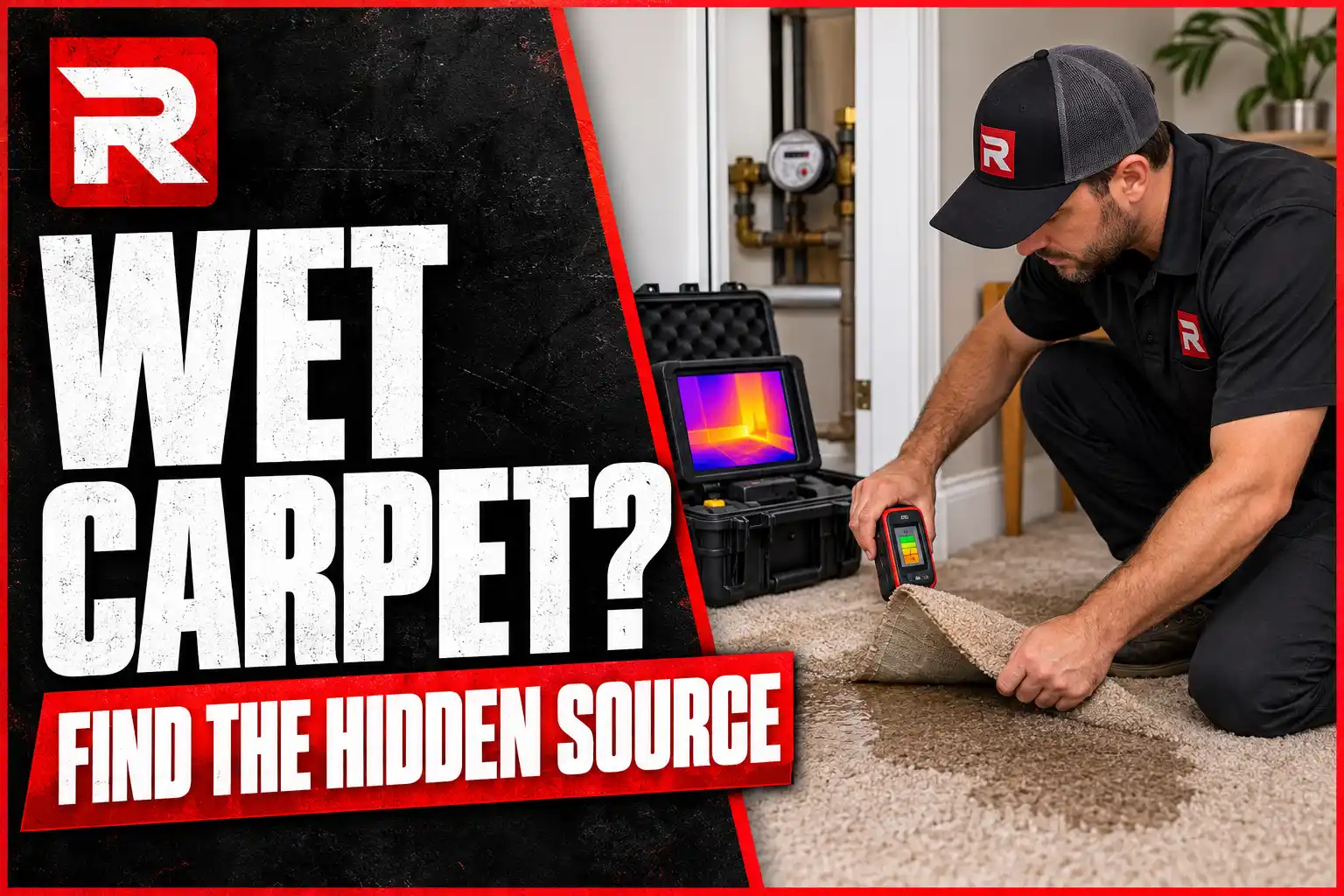
Professional restoration teams use industrial-grade pumps and truck-mounted extraction units to remove standing water, thermal imaging cameras and moisture meters to find hidden water in walls, floors, and ceilings, and commercial dehumidifiers and air movers to dry the structure completely. They monitor moisture levels daily with instruments and don’t consider the job done until every reading confirms the property is fully dry. That level of thoroughness is what prevents secondary damage and mold.
3. Know What Causes Water Damage in Fort Lee Specifically
Understanding the risks specific to your area helps you catch problems early and respond faster when they happen. Fort Lee has its own set of water damage triggers that differ from other Bergen County towns.
Burst and frozen pipes are the number one cause across the borough. Fort Lee’s older homes, many built in the 1950s through 1970s, often have original galvanized or cast iron plumbing that’s corroded internally. These pipes can fail without warning, flooding living spaces in minutes. In winter, pipes in uninsulated exterior walls, crawl spaces, and garages freeze and crack during temperature drops that are common along the Palisades.
Plumbing failures in high-rise buildings are the second most common source. Supply risers, drain stacks, and individual unit connections in older buildings are under constant pressure and wear down over time. A single failure can cascade through multiple floors before building management can shut the system down.
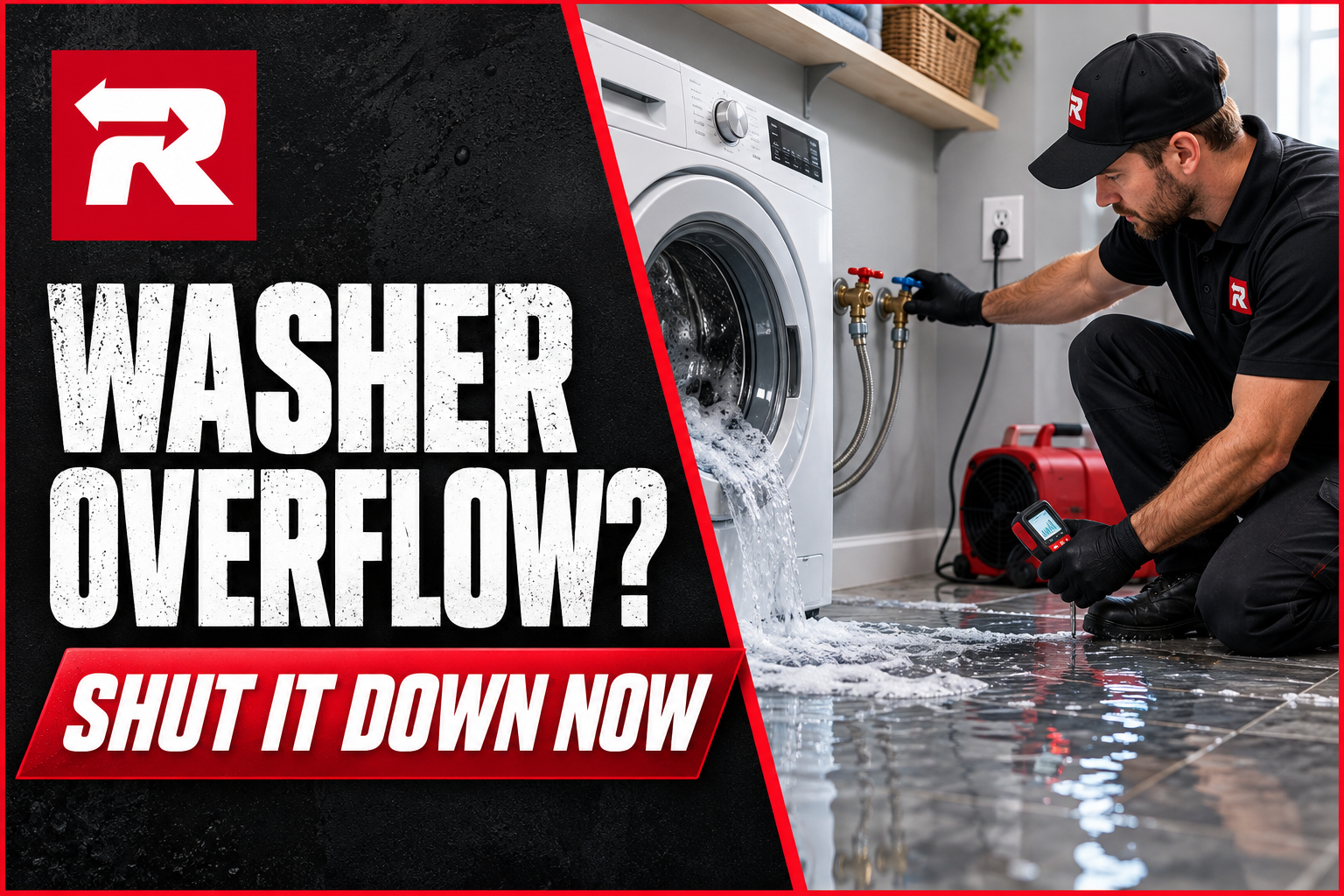
Appliance failures like washing machines, dishwashers, water heaters, and refrigerators account for a significant share of water damage calls we receive from Fort Lee. Supply hoses and internal valves have a limited lifespan, and when they fail, the water flow doesn’t stop until someone notices.
Storm and groundwater intrusion rounds out the list. Fort Lee’s position on the Palisades creates steep drainage patterns that push stormwater toward foundations and below-grade spaces during heavy rain. Properties at the base of slopes and near the river are especially vulnerable.
4. Take Mold Prevention Seriously After Any Water Event
If there’s one thing Fort Lee property owners consistently underestimate about water damage, it’s the mold risk. Mold can begin growing within 24 to 48 hours in any warm, damp environment, and the inside of a wet wall cavity in a heated Fort Lee apartment or home is exactly that.
Mold doesn’t need standing water to grow. All it needs is moisture above a certain threshold in organic materials like drywall, wood, insulation, or carpet. A slow leak behind a bathroom wall that never produced a visible puddle can create a mold colony that’s been growing for months by the time you smell it.
Once mold establishes itself, it releases spores that travel through your property’s air system. In Fort Lee’s high-rise buildings, shared HVAC systems and common hallways can distribute spores from a single affected unit to neighboring units and common areas. In single-family homes, a mold colony in the basement or crawl space sends spores upward through the entire house every time the heating or cooling system runs.
The health impacts are real. Mold exposure causes respiratory irritation, persistent coughing, headaches, eye irritation, and skin reactions. For children, elderly residents, and anyone with asthma or allergies, prolonged exposure can be significantly more serious.
This is why professional structural drying with daily moisture monitoring is so critical after any water damage event. Surface drying isn’t enough. If moisture remains trapped behind walls, under floors, or inside ceiling cavities, mold will develop in those concealed spaces regardless of how dry the visible surfaces appear. Antimicrobial treatments applied during the drying process add an additional layer of prevention.
5. Let Your Restoration Company Handle the Insurance Process
Filing an insurance claim after water damage is stressful, confusing, and time-consuming, especially when you’re already dealing with the damage itself. Most Fort Lee homeowners and condo owners have never filed a water damage claim before and don’t know what the process involves or what their policy actually covers.
Here’s the general framework: most homeowner’s and condo insurance policies in New Jersey cover sudden and accidental water damage like burst pipes, appliance failures, and storm damage that breaches the building. What they typically don’t cover is gradual damage from long-term leaks, deferred maintenance, or external flooding from rising water levels (that requires separate flood insurance).
The most important thing you can do is document everything before cleanup begins. Take photos and video of the affected areas, the source of the water, and any damaged belongings. Then let your restoration company take over the documentation process from there.
At Restorian, we handle the full insurance claims process from day one. We photograph and log all damage in detail, prepare Xactimate estimates that insurance companies recognize and trust, coordinate directly with your adjuster, schedule joint inspections and walkthroughs, and bill your insurance provider directly. If anything on your claim gets questioned or disputed, we have the documentation ready to back it up.
For Fort Lee condo and co-op owners, the claims process can be more complex since building insurance and individual unit insurance often overlap. We help navigate that coordination so you’re not caught between two carriers trying to figure out who covers what.
You shouldn’t have to become an insurance expert on top of dealing with a water-damaged property. That’s our job.
When Water Damage Hits Your Fort Lee Property
Fort Lee’s combination of high-rise density, older housing stock, Palisades geography, and exposure to Northeast weather means water damage isn’t a matter of if. It’s a matter of when. The property owners who come through it with the least damage, lowest cost, and fastest recovery are the ones who act immediately and bring in professionals from the start.
If you’re dealing with water damage in Fort Lee right now, or you’ve noticed warning signs like stains, smells, warping, or unexplained moisture, don’t wait to see if it resolves on its own. It won’t.
Restorian provides 24/7 emergency water damage restoration in Fort Lee and across all of Bergen County. From the first emergency call to the final walkthrough, we handle everything, including extraction, drying, mold prevention, repairs, reconstruction, and insurance, all under one roof.
One call. Fast response. Full restoration.
📞 (888) 788-5038 🌐 restorian.co 📍 Serving Fort Lee, Englewood Cliffs, Hackensack, Teaneck, and all of Bergen County