Water damage is one of the most common and most underestimated problems a homeowner can face. It doesn’t always come as a dramatic flood or a burst pipe in the middle of the night. Sometimes it starts small: a slow drip behind the wall, a minor leak under the sink, condensation building up in a crawl space. By the time you notice the stain on your ceiling or the warping in your floor, the damage underneath has been spreading for days or even weeks.
Understanding how water damage works, what causes it, and what to do about it can save you thousands of dollars and months of stress. Whether you’re dealing with an active water emergency or just want to be prepared, this guide covers everything you need to know.
What Causes Water Damage?
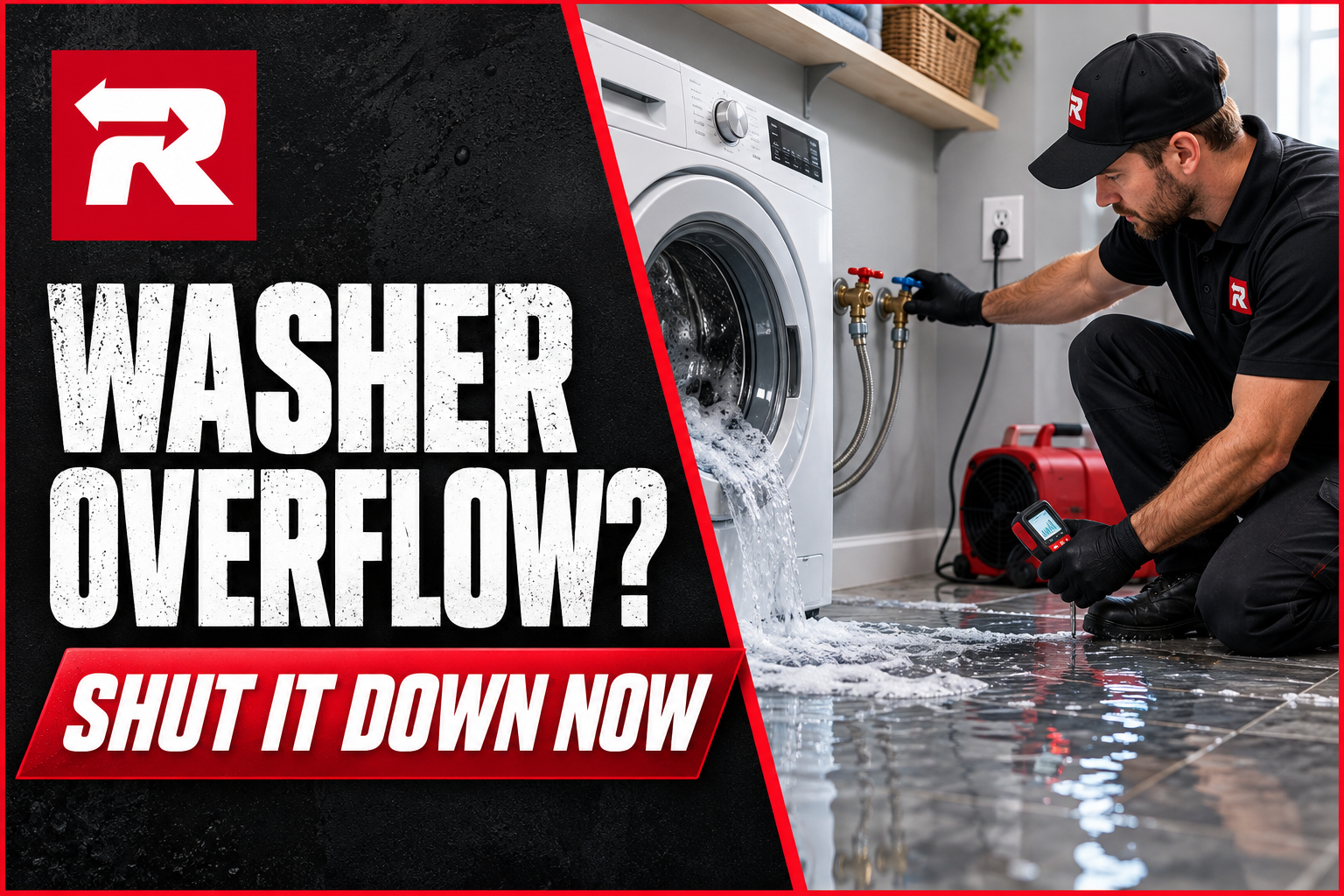
Water damage can come from a wide range of sources, and not all of them are obvious. The most common causes include burst or frozen pipes, especially during New Jersey winters when temperatures drop suddenly and pipes in uninsulated areas crack under pressure. Appliance failures are another major source. Washing machines, dishwashers, water heaters, and refrigerators with ice makers all have supply lines that wear out over time and can fail without warning.
Roof leaks from damaged shingles, flashing, or clogged gutters allow rainwater to seep into attic spaces and work its way down through ceilings and walls. Foundation cracks and poor drainage around your property let groundwater in during heavy rains. Sewage backups push contaminated water into basements and lower levels. And storm damage, whether from wind-driven rain, flooding, or ice dams, can overwhelm even a well-maintained property in a matter of hours. If your property has been affected by a major weather event, our storm & disaster services team can help secure and restore your property fast.
The tricky part is that many of these issues don’t present obvious symptoms right away. A pinhole leak in a supply line behind your bathroom wall might not show visible damage for weeks. By that time, the drywall is saturated, the framing behind it is soft, and mold has already started growing in the dark, damp cavity.
How to Spot the Warning Signs
Water damage isn’t always a puddle on the floor. More often, it shows up as subtle changes in your home that are easy to overlook if you’re not paying attention. Here are the most common warning signs every homeowner should watch for.
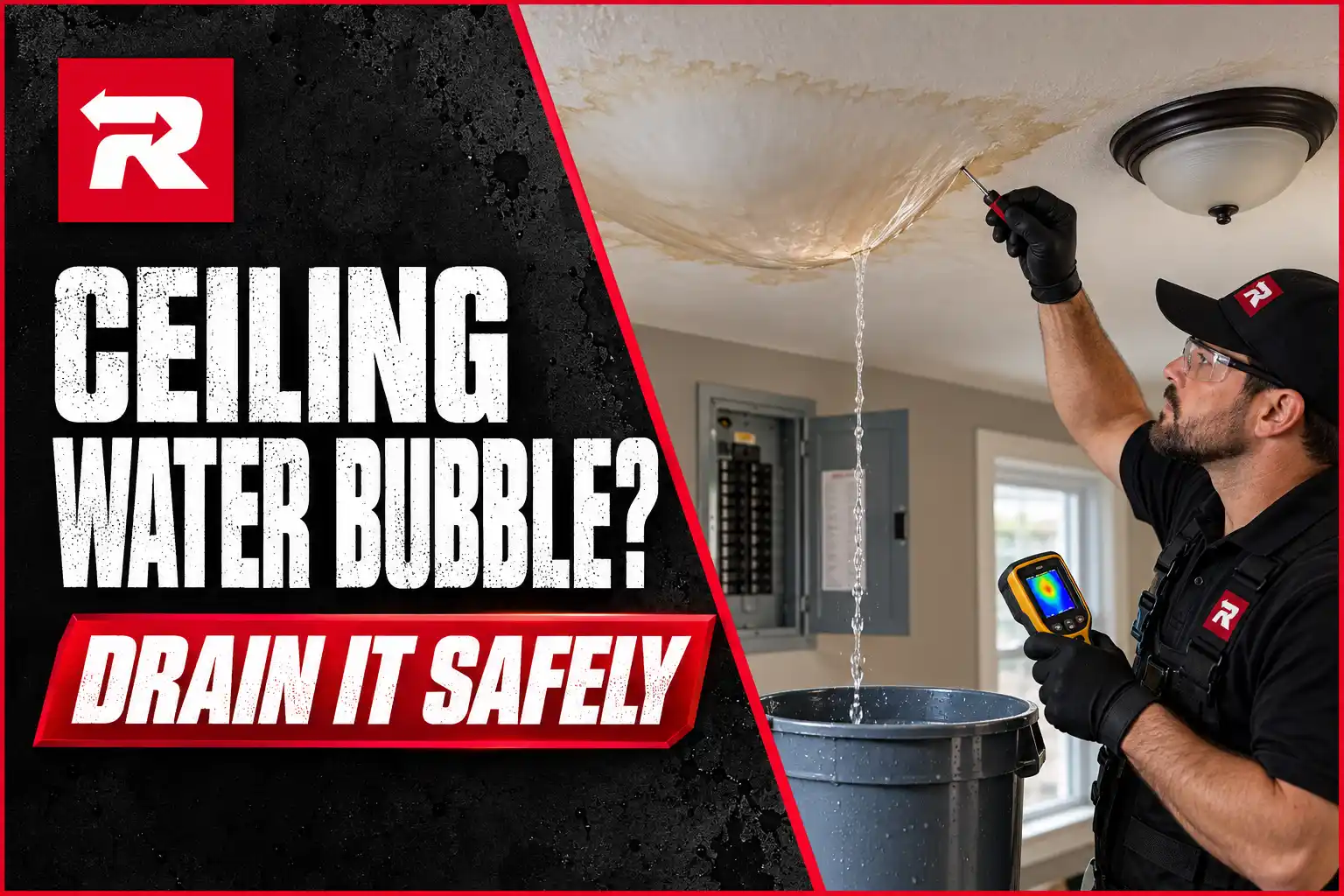
Discoloration on walls or ceilings is one of the earliest visual indicators. Brown or yellow stains, especially on ceilings below bathrooms, kitchens, or attic spaces, usually mean water is pooling somewhere above and soaking through. Paint that bubbles, peels, or cracks without an obvious cause often has moisture behind it.
Warping or buckling in hardwood floors is another major sign. Wood absorbs moisture and expands, causing boards to lift, cup, or separate. If your floor suddenly feels uneven or you hear new creaking in areas that were previously solid, there may be water underneath.
A persistent musty smell, particularly in basements, bathrooms, closets, or near exterior walls, is a strong indicator of hidden moisture and potential mold growth. You might not see anything visually, but if you can smell it, something is wet that shouldn’t be. If you suspect mold is already developing, our mold remediation team can inspect and address the problem before it spreads further.
Unexplained increases in your water bill can point to a hidden leak somewhere in your plumbing system. If your usage hasn’t changed but your bill has gone up, it’s worth investigating.
Soft spots in walls or flooring, especially around bathrooms and kitchens, mean the structural material behind the surface has absorbed water and is breaking down. If drywall feels spongy when you press on it or flooring gives way slightly under your weight, the damage behind it is likely significant.
What to Do When Water Damage Happens
If you’re dealing with an active water damage situation, the first priority is safety. Avoid standing water near electrical outlets, appliances, or panel boxes. If water is coming from a plumbing failure, shut off your main water supply if you can safely access it. If the damage is extensive or near electrical systems, consider shutting off power to the affected area at the breaker panel.
Don’t try to handle significant water damage with household fans, shop vacs, or towels. These tools aren’t built for the volume of water involved in most damage situations, and they can’t address the moisture that’s already soaked into structural materials. Using them might dry the surface temporarily while leaving hidden moisture behind, which leads directly to mold growth.
Call a professional restoration company as soon as possible. Water damage is time-sensitive. Within the first 24 hours, water soaks into drywall, insulation, and wood framing. Within 48 hours, mold can begin to develop in hidden cavities. Within a week, structural materials begin to weaken and secondary damage starts compounding. The faster a professional team gets on site, the more of your property and belongings can be saved. Learn more about our water damage restoration process and how we handle every step from extraction to rebuild.
What the Restoration Process Looks Like
Professional water damage restoration follows a structured process designed to address every layer of the problem, not just what’s visible on the surface.
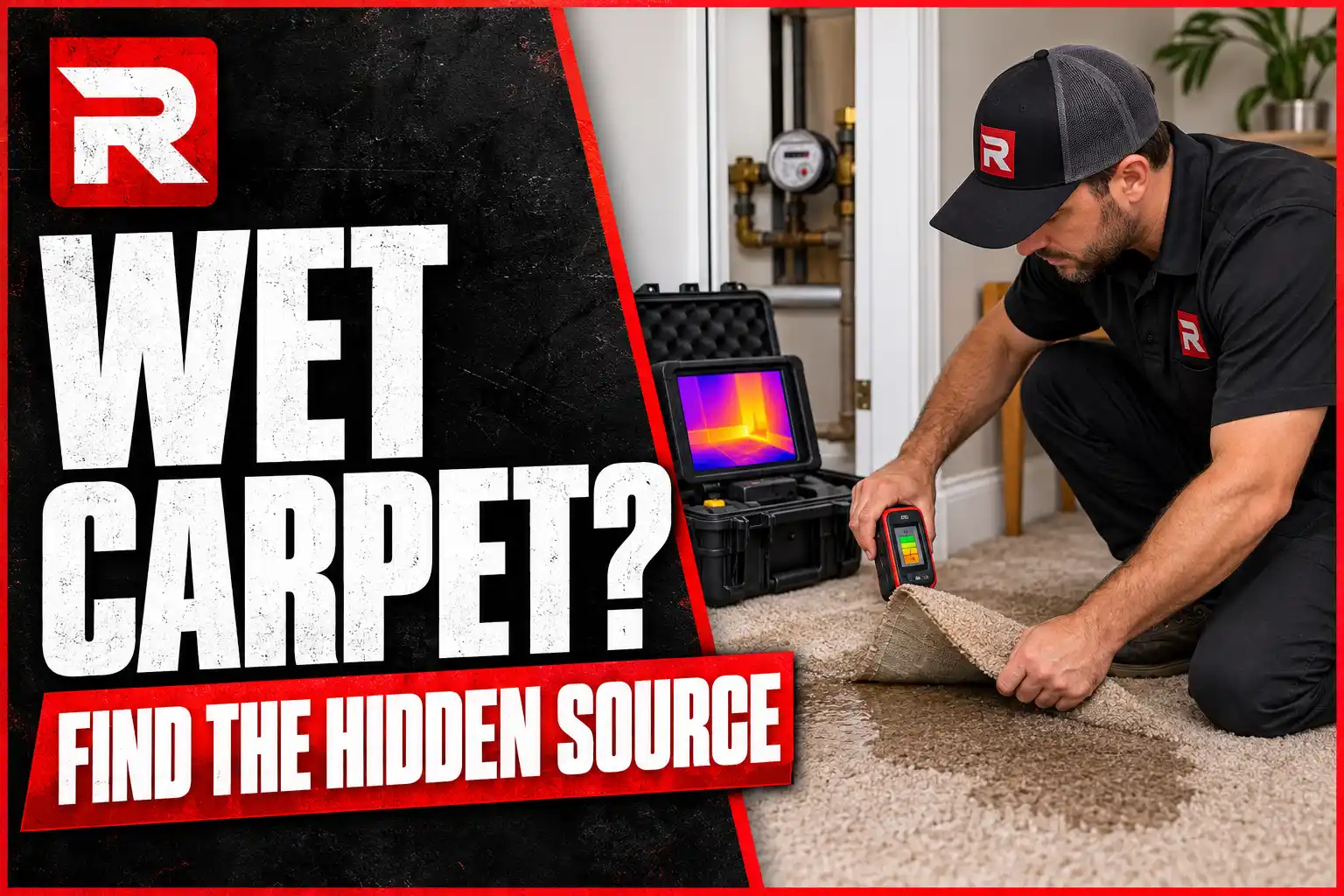
The first step is always a thorough assessment. A restoration team will inspect your property using moisture meters and thermal imaging cameras to locate water in walls, floors, ceilings, and other concealed areas. This step is critical because the extent of water damage is almost always larger than what you can see. A stain on a ceiling might mean an entire joist cavity above it is saturated.
Next comes water extraction. Industrial-grade pumps and truck-mounted extraction units remove standing water from every affected area, including basements, living spaces, crawl spaces, and utility rooms. The goal is to remove as much water as physically possible before moving to the drying phase.
Once extraction is complete, the structural drying phase begins. This involves placing commercial dehumidifiers and air movers strategically throughout the affected areas to draw moisture out of walls, subfloors, framing, and other materials. This phase is monitored daily with moisture readings to track progress and adjust equipment placement. It typically takes several days to a week depending on the extent of the damage and the materials involved.
During the drying process, materials that can’t be saved are removed and disposed of. This includes heavily saturated drywall, soaked insulation, carpet padding, and contaminated materials from sewage backups. Anything that can be salvaged is cleaned and treated.
After the property is completely dry and verified with moisture readings, repairs and reconstruction begin. This can range from patching a section of drywall and repainting to full-scale interior reconstruction involving framing, flooring, cabinetry, and finishing work. When damage is severe enough to require rebuilding, our reconstruction team handles the entire process from demolition to final walkthrough.
Why Mold Prevention Matters
One of the biggest risks associated with water damage is mold growth. Mold can begin developing within 24 to 48 hours in warm, damp environments, which is exactly what a water-damaged wall cavity or subfloor provides. Once mold takes hold, it spreads quickly, releasing spores into the air that circulate through your home every time your HVAC system runs.
Mold causes more than cosmetic issues. It breaks down the organic materials it grows on, like drywall, wood, and insulation, weakening them structurally over time. It also impacts indoor air quality and can trigger respiratory problems, allergies, headaches, and other health issues, especially for children, elderly family members, and anyone with existing respiratory conditions.
This is why professional drying and monitoring are so important. Surface drying isn’t enough. If moisture remains trapped inside wall cavities, under flooring, or inside ceiling assemblies, mold will develop in those hidden spaces regardless of how dry the surface looks. Professional restoration teams verify complete drying with instruments, not guesswork, and apply antimicrobial treatments to prevent mold growth during the drying process.
Insurance: What You Need to Know
Most homeowner’s insurance policies cover sudden and accidental water damage like a burst pipe, an appliance failure, or storm damage that breaches your home. What they typically don’t cover is gradual damage from long-term leaks, deferred maintenance, or flooding from external water sources (for that, you’d need a separate flood insurance policy).
When water damage occurs, document everything before you touch it. Take photos and video of the affected areas, the source of the water if visible, and any damaged belongings. Contact your insurance company to report the claim, and then contact a professional restoration company.
A good restoration company will handle the insurance documentation for you. At Restorian, we photograph and log all damage on site, prepare detailed Xactimate estimates that insurance companies recognize, coordinate directly with your adjuster, and bill your provider on your behalf. You shouldn’t have to become a claims expert on top of dealing with a damaged home.
Don’t Wait, Act Fast
The single most important takeaway about water damage is that time matters more than almost anything else. The difference between a manageable repair and a major reconstruction project often comes down to how quickly the situation was addressed. Every hour that water sits in your property, the damage gets worse and the cost of restoration goes up.
If you’re dealing with water damage, or even suspect you might have a hidden leak or moisture problem, don’t wait to see if it gets better on its own. It won’t.
Restorian provides 24/7 emergency water damage restoration across New Jersey. One call and we’re on the way. Get in touch with our team today.
📞 (888) 788-5038 🌐 restorian.co 📍 Serving Englewood Cliffs and all of New Jersey