
IICRC certified applied structural drying for homes and businesses across New Jersey, New York, and Connecticut. Industrial dehumidifiers, air movers, and daily moisture verification on every job.
Structural drying is the phase of water damage restoration that determines whether your property dries correctly or develops mold and ongoing damage weeks later. After water extraction, the building materials inside your walls, floors, and ceilings still hold significant moisture that surface drying cannot remove. Restorian provides professional structural drying services across the entire tri-state area using industrial dehumidifiers, strategically placed air movers, and daily moisture verification to bring every affected material back to the dry standard before any reconstruction begins.
Most homeowners assume that drying a property is simply a matter of removing visible water and running a fan. The reality is significantly more complex. After a water event, water has soaked into porous building materials including drywall, insulation, subfloor, baseboards, structural framing, carpet padding, and any other absorbent surface it touched. These materials hold moisture for days or weeks even after the surface looks and feels dry, and that hidden moisture is what causes mold growth, structural weakening, and the need for tear-out reconstruction.
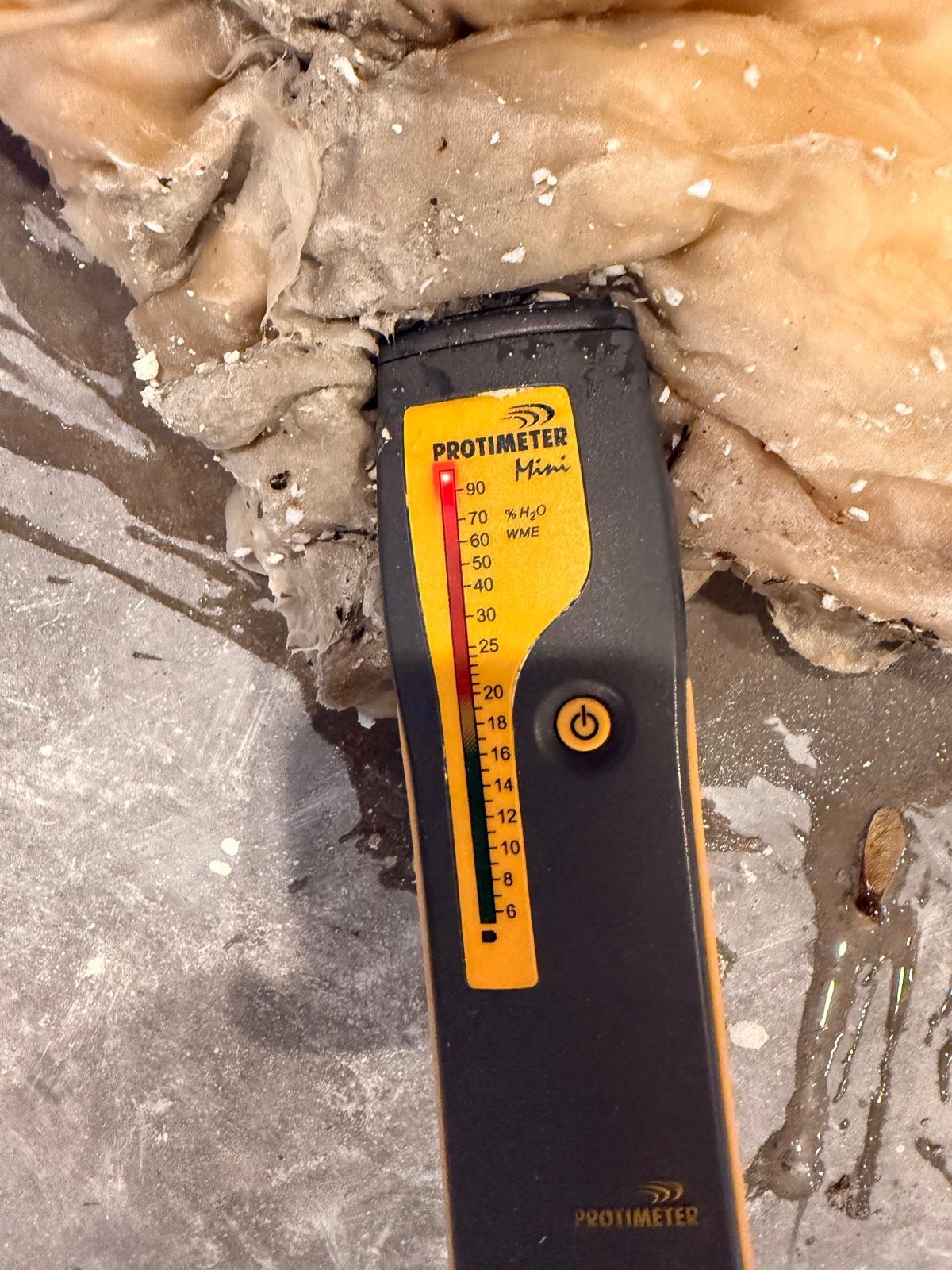
Professional structural drying addresses this hidden moisture systematically. We measure actual moisture content inside building materials using calibrated moisture meters and thermal imaging, design a drying plan based on the affected area and material types, deploy industrial equipment that removes moisture at rates household equipment cannot match, and verify daily that the structure is approaching the dry standard. The job is not complete when surfaces look dry. It is complete when moisture meter readings inside the structure consistently meet the established dry standard for the materials and conditions involved.
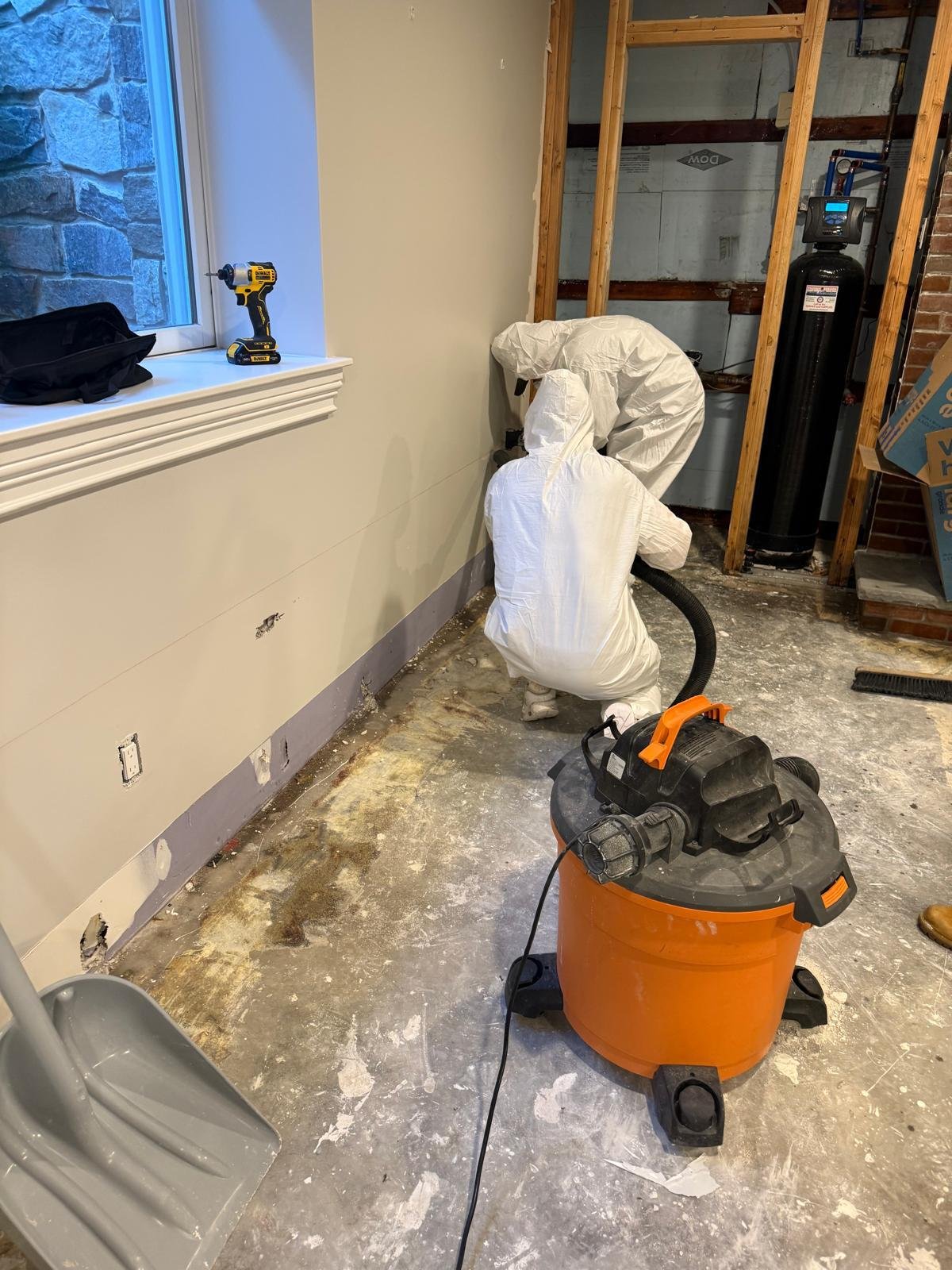
When Restorian arrives at a water damage job, structural drying begins with assessment, not equipment placement. Our IICRC certified technicians map every affected area using moisture meters and thermal imaging, identifying not just where water is visible but where it has migrated inside walls, under flooring, into ceiling cavities, and through structural connections. This moisture mapping is the foundation of every drying plan we design.
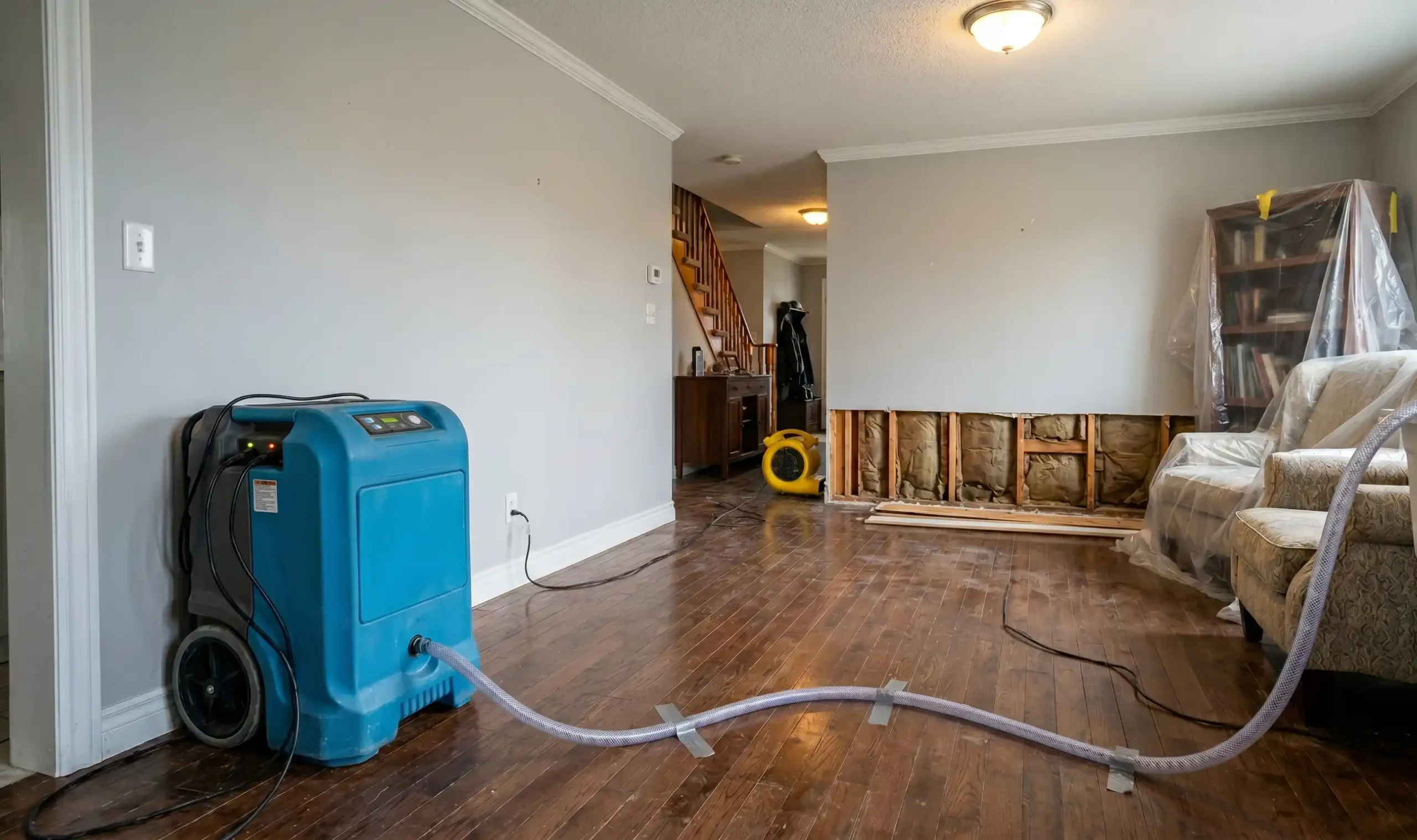
Once the affected zones are mapped, we deploy industrial dehumidifiers sized to the specific air volume and moisture load of the space. Air movers are positioned to direct airflow across wet surfaces and into cavities where moisture is hiding, accelerating the rate at which water evaporates from building materials into the air for the dehumidifier to capture. Containment is set up where needed to prevent moisture from migrating into unaffected areas. The drying environment becomes a controlled system, not a guess.
Throughout the drying process, our crews return daily to take moisture readings, document progress, and adjust equipment placement as conditions change. Drying is dynamic. The areas that need the most attention on day one are not the same as the areas that need attention on day three. Daily monitoring lets us respond to actual conditions rather than running a fixed setup until time runs out. Most residential drying projects run three to seven days depending on the volume of water, the materials involved, and the conditions at the start.
The difference between professional structural drying and DIY attempts is largely the equipment. Restorian deploys IICRC ASD-rated equipment on every drying job, including:
A residential water damage event can require multiple dehumidifiers and dozens of air movers running simultaneously. The placement of this equipment, the timing of adjustments, and the daily verification of results are what separate a properly dried structure from one that develops mold issues weeks later.
Not every water event requires professional structural drying, but most do. The factors that determine whether a job needs full structural drying include:
If you are not sure whether your situation requires professional structural drying, call Restorian and describe the event. We will tell you within a few minutes whether it actually needs full drying or whether you can monitor it on your own.
Structural drying timelines depend on the volume of water, materials affected, the conditions at the start of the job, and the rate at which the structure responds to drying equipment.
Most residential drying jobs run three to seven days. Properties with significant water absorption, large affected areas, or saturated structural materials may run seven to ten days. Properties that experienced contaminated water, prolonged exposure before professional response, or already-developed mold typically require partial demolition before drying can complete, which extends the overall timeline.
Throughout the drying period, our crews check progress daily. We do not run equipment for a fixed number of days regardless of conditions. We dry until moisture readings consistently confirm the structure has reached the dry standard, then we verify the result before declaring the job complete and preparing the structure for reconstruction.
Once moisture readings confirm the structure is dry, the project moves to the next phase. Depending on the original damage, this may include any combination of antimicrobial treatment to prevent mold development, demolition of materials that could not be saved, sanitization of surfaces, and reconstruction of damaged building components.
Because Restorian handles every phase of property damage restoration under one project manager, the transition from structural drying to subsequent phases happens without handoffs to separate contractors. The same team that designed and executed the drying plan understands exactly what was affected, what was removed, and what needs to be rebuilt. This eliminates the gaps in communication and scope that typically slow projects down and create disputes during insurance claim settlement.
Water extraction is the immediate removal of standing or pooled water using industrial pumps and extraction units. Structural drying is the subsequent process of removing the water that has absorbed into building materials including drywall, insulation, subfloor, and structural framing. Both phases happen on most water damage jobs, but they require different equipment, different techniques, and different time investments. Extraction usually takes hours. Structural drying usually takes days. A job that includes only extraction without proper structural drying often develops mold and structural issues weeks later because the hidden moisture inside building materials was never addressed.
Household dehumidifiers and fans can help with very minor water events but cannot achieve the moisture removal rates needed for professional structural drying. Industrial LGR dehumidifiers pull significantly more water from the air per hour than consumer equipment and continue working effectively at lower humidity levels where household units become ineffective. Industrial air movers create the high-velocity airflow needed to lift moisture out of porous materials, which household fans cannot match. Beyond equipment, the science of drying involves moisture mapping, equipment placement, and daily verification that consumer-level approaches cannot replicate. The result of incomplete drying is almost always hidden moisture, mold growth, and a much larger restoration project weeks later.
The only reliable way to confirm a structure is dry is to take direct moisture readings inside the affected building materials using a calibrated moisture meter. Visual inspection is not enough. Touch is not enough. Smell is not enough. Surfaces can feel completely dry while drywall, insulation, and subfloor still hold significant moisture inside the wall cavity. Restorian takes moisture readings every day during a drying job and provides documentation of the readings to confirm when the structure has reached the dry standard. This documentation is also important for your insurance claim because it proves the drying was completed correctly.
Most homeowner insurance policies cover sudden and accidental water damage, including the structural drying required to address it. Professional drying with proper documentation is generally easier to claim than DIY drying because insurance carriers can verify the work was done correctly and to industry standard. Restorian prepares Xactimate certified estimates and detailed moisture documentation for every drying job, which is the documentation format that insurance adjusters use to evaluate claims. We work directly with all major insurance carriers including NJM Insurance Group, State Farm, USAA, Allstate, AIG, Progressive, American Family Insurance, Nationwide, Liberty Mutual, and Farmers Insurance.
ASD stands for Applied Structural Drying. It is the IICRC's specialty certification specifically for the science and practice of drying water-damaged structures correctly. The certification covers psychrometry (the physics of moisture in air), equipment selection and deployment, moisture mapping, daily monitoring protocols, and the dry standards for different building materials. Holding ASD certification means a technician has been trained in the actual science of structural drying, not just the operation of drying equipment. Restorian's crews maintain IICRC ASD certification, which is one of the most rigorous specialty certifications in the property damage restoration industry.
Fill out the form and our team will reach out immediately.
We act fast so your property—and peace of mind—can be restored without delay. With state-of-the-art drying equipment and expert technicians, Restorian is your trusted partner in water damage recovery.

With years of hands-on restoration experience, we’ve handled everything from flooded basements to full-scale commercial water disasters.
Thousands of restoration projects completed across New Jersey.
IICRC-certified technicians with proven results.
Moisture detection tools ensure no damage is left behind.
Water emergencies don’t wait—we’re always on call.